
The first decision in a destination wedding in Europe is not the venue, the country or the dress. It is the number of people you are actually prepared to host, because that number determines which countries, venues and budgets are still open to you.
It is easy to work the other way around. They fall in love with a photograph of a courtyard in Italy or a Portuguese estate, then try to make the guest list, the legal paperwork and the money fit around it. Sometimes that works. But it can produce a wedding that looks beautiful and does not fit your circumstances: too far for the family, too big for the budget, or too complicated for the ceremony the couple actually wanted.
There is a better order. It does not remove uncertainty, but it keeps you from spending real money on decisions you will later have to reverse.
The Short Version
- Decide the size and shape of the wedding before you look at venues.
- Choose the country for access and paperwork, not only for scenery.
- Separate the legal ceremony from the wedding you are actually planning.
- Choose a season and a week, not a single date.
- Build the budget in the order money is actually committed.
- Decide who is doing the planning before you sign anything.
1. Decide the Size and Shape Before the Venue
The guest count is the single decision that narrows everything else. Forty guests and one hundred and forty guests are not the same wedding held at different scales. They require different venues, different service models, different accommodation plans and different conversations with the people you love.
Be honest about three things early. How many people must be there for the day to feel complete? How many can realistically travel, take days off, and afford the trip? And how many people are you inviting out of obligation rather than affection?
The answer changes the format. A wedding weekend at a country estate with everyone staying on site is a different product from a city ceremony followed by a long dinner, and both are different from a small ceremony with a larger party at home afterwards. Each has a legitimate place. They are not interchangeable, and the cost of discovering that late is high.
There is also a practical ceiling worth naming. Some historic venues simply cannot seat a large group comfortably, and some hotels cannot accommodate a small one without an awkward empty room. Size first, then setting.

2. Choose the Country for Access, Not Only for Beauty
Once you know how many people are coming, the country becomes a logistics question as much as a romantic one. Europe is compact on a map and slow in practice. A beautiful region with two flights a week and a ninety-minute mountain transfer will ask more of your guests than a less photogenic region with an easy airport.
Three access questions do most of the work. How will elderly relatives and guests with young children arrive? What happens if a flight is cancelled the day before? And how far is the nearest town with pharmacies, a hospital, and enough hotel rooms for the people who are not staying at the venue?
Climate belongs here too. A region that photographs beautifully in June may be uncomfortably hot for a formal midday ceremony in August, and a coastal venue in October is a different proposition from the same venue in July. Ask what the weather usually does in your chosen week, then plan the day around the answer instead of hoping.
It also helps to ask whether the region is a place you would return to. Destination weddings are usually remembered as a trip, not only as an event. Couples who choose a place they genuinely like tend to make better decisions about how long to stay and how to host the days around the wedding.
3. Separate the Legal Ceremony From the Wedding Ceremony
Treat the legal requirements and the celebration as separate planning questions. Requirements vary by country and by your circumstances; residence rules, document translations or advance notice may apply. The EU’s official guidance on civil marriage recommends checking formalities with the relevant authorities in both countries. Europe extends beyond the EU, so consult national authorities directly for non-EU destinations. None of that has to shape the wedding you want, as long as you decide early which one is which.
There are two common paths. The first is to complete the legal formalities at home, separately, then hold a symbolic ceremony abroad with the vows, readings and atmosphere you actually want. The second is to satisfy the local legal requirements in the country where you marry, which usually means accepting the local process, the local timeline and the relevant administrative requirements.
A symbolic ceremony does not itself create a legal marriage; check the recognition of any legal marriage with the relevant authorities. What creates difficulty is a couple assuming the legal part is a formality that can be sorted out later, then discovering in spring that their chosen country requires documentation they cannot produce in time.
This is also where the ceremony itself should be decided rather than inherited. Who leads it, whether you write your own vows, whether it is multilingual for two families, and how much of the day is ritual versus celebration. If you are writing vows, the practical guide to writing your own vows for a symbolic ceremony covers the part most couples underestimate.
4. Set the Season and the Week, Not a Single Date
A fixed date is a constraint; a season is a decision. Couples who insist on one precise Saturday can narrow their options, then discover the venue they wanted was available two weeks earlier at a materially different price.
Choose a season first, then a window of two or three weeks, then the specific day. That order gives you room to negotiate, to move around local holidays and festival weeks, and to avoid the dates when every vendor in the region is booked twice over.
Two things are worth checking before the window is fixed. Local public holidays, which affect both prices and whether the town is quiet or overcrowded. And the personal calendar of the people whose presence matters most, because a wedding that half the family cannot attend is a decision made by accident.
For a wedding that runs across several days, the week matters more than the day. Guests arriving on Thursday and leaving on Sunday need a rhythm: when the welcome dinner is, when the ceremony happens, and when they are free to disappear and swim.
5. Build the Budget in the Order Money Leaves
A destination wedding budget is not a single number; it is a sequence of commitments. Most couples build one total, then discover that the total was never the problem. The problem was committing large amounts in the wrong order, before the decisions that would have changed them.
One possible commitment sequence is: travel and site visits, venue deposit, accommodation block, catering minimum, then photography, flowers, music, beauty and stationery. Venue and catering contracts may involve nonrefundable payments or minimum-spend commitments; other suppliers can have equally restrictive terms. Read each payment schedule, cancellation clause and minimum before signing.
That is why the earlier decisions carry so much weight. Guest count sets the catering minimum. Country sets the travel cost your guests absorb. Week sets the venue price. Legal path sets the administrative cost. By the time you are choosing flowers, several of the largest commitments may already be fixed.
It is worth building the budget twice: once as the number you hope to spend, and once as the number you can comfortably commit before you know the final guest count. Plan the wedding against the second one.
6. Decide Who Is Actually Planning It
An unclear answer to who is doing the work can leave important decisions unowned. Planning across a border means calls in another language, site visits you cannot make, contracts under another legal system, and a hundred small decisions that happen at hours convenient to someone else.
There are three realistic models. You plan it yourselves with a venue coordinator who handles only what happens inside the property. You work with a planner based in the region. Or you work with someone who knows the region and represents you in it, which is a different service from a venue’s in-house coordination.
Whichever you choose, be specific about the boundary. Who negotiates with vendors? Who holds the contracts? Who is on site the day before? Who answers the venue at eleven at night in the final week? A wedding can run beautifully with any of these models, but only if everyone has agreed which one is in place.
The guest experience is part of this decision too. Someone has to own the arrival instructions, the transfer times, the dress code, the dietary questions and the fact that your aunt cannot manage stairs. Guests remember how the days felt, not how the spreadsheet looked — a point worth keeping in view when you plan the details guests actually remember from a wedding ceremony.
The Decision Order at a Glance
| Order | Decision | What It Locks In | Cost of Getting It Wrong |
|---|---|---|---|
| 1 | Guest count and format | Venue category, catering minimum, accommodation | Reversing a venue contract or cutting the list late |
| 2 | Country and region | Travel cost, access, local rules | Guests who cannot practically attend |
| 3 | Legal versus symbolic path | Paperwork, timeline, ceremony freedom | Administrative crisis in the final months |
| 4 | Season and week | Price level, availability, weather | Paying a premium for a fixed date |
| 5 | Budget sequence | What you can commit before numbers are final | Hard commitments made on soft assumptions |
| 6 | Who plans it | Contracts, communication, day-of responsibility | Decisions falling between two people |
Questions Couples Ask Before Booking
How far in advance should we start planning a destination wedding in Europe?
Start by asking your preferred venues and relevant civil authorities about availability and deadlines rather than relying on a universal timeline. Popular dates, accommodation capacity and document requirements can each determine the lead time. A smaller or off-season celebration may give you more options, but confirm those options before making commitments.
Do we need to get legally married in the country where we celebrate?
No. You can complete the legal formalities separately and hold a symbolic celebration abroad, subject to the laws that apply to your circumstances. That separates paperwork from the personal ceremony. If you want a legally binding marriage at the destination, check eligibility, documentation, timing and recognition with the relevant authorities before booking.
Should we choose the venue or the guest list first?
The guest list. The number of people you are hosting determines which venues, regions and budgets remain realistic. Choosing a venue first usually means either cutting guests to fit the room or stretching the budget to fit the guest count.
How many days should the trip be for our guests?
There is no universal minimum. Work backward from flight schedules, transfers and the ceremony time, then allow a realistic arrival buffer. A three-night stay is one possible format, not an obligation. Make optional events genuinely optional and tell guests early which costs and dates they would be committing to.
Is a destination wedding in Europe more expensive?
It depends on the destination, guest count, format and who pays for travel and accommodation. Compare complete budgets, not just venue hire or menu prices. Travel, optional site visits, administration and coordination can add costs, but they are not identical for every couple. Include the expense your guests would carry, too.
Where To Go Next
The order above will not make a destination wedding simple, but it will keep your decisions in a sequence where each one still has room to move. Start with the number of people, then the country, then the paperwork, then the week, then the money, then the person who carries it all with you.
If you are still deciding how large the celebration should be, the argument for how symbolic ceremonies work from elopements to big weddings is the natural next read. And if the appeal of Europe is the setting itself, the rise of heritage celebrations in Europe explains why so many couples are choosing places with a past.
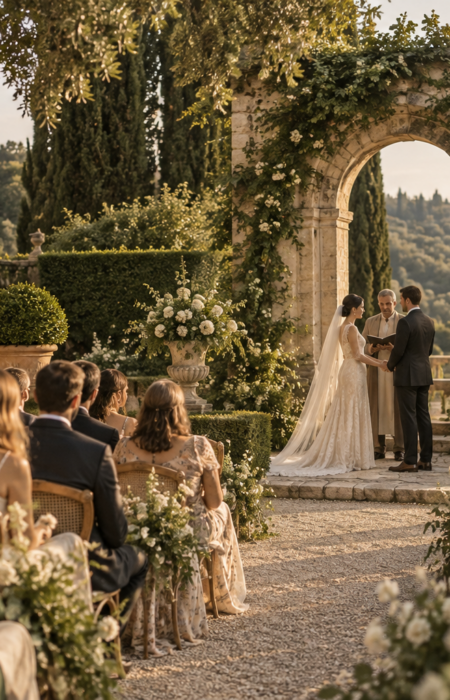
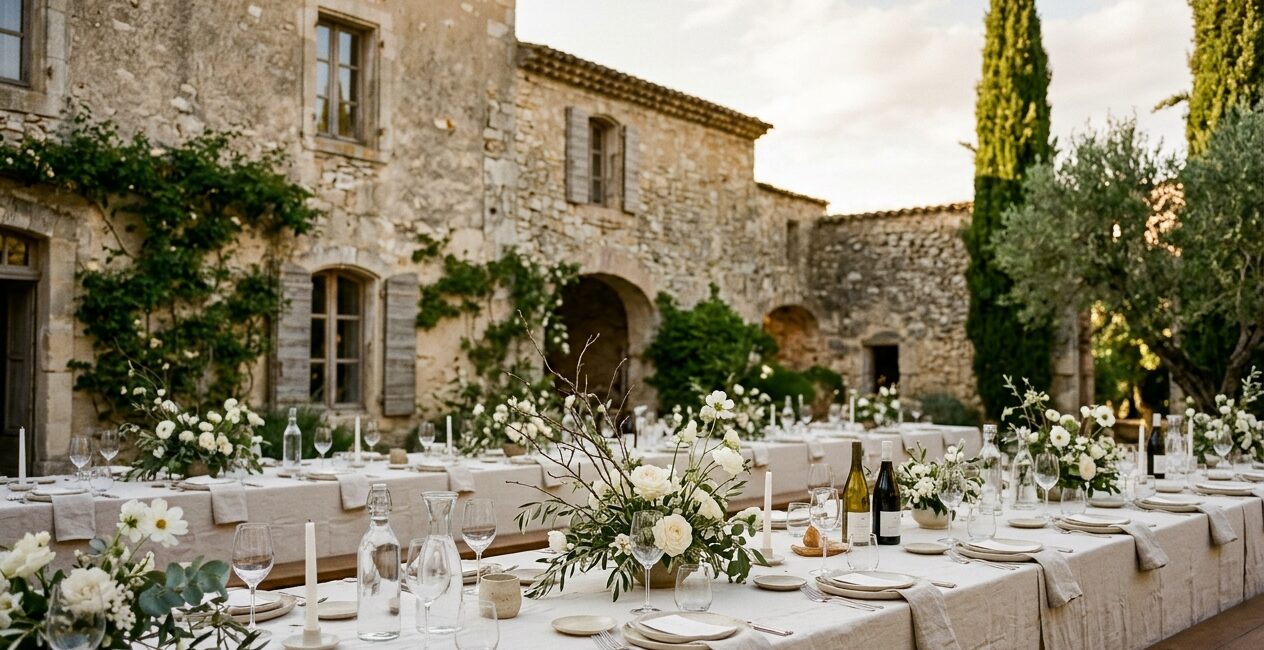
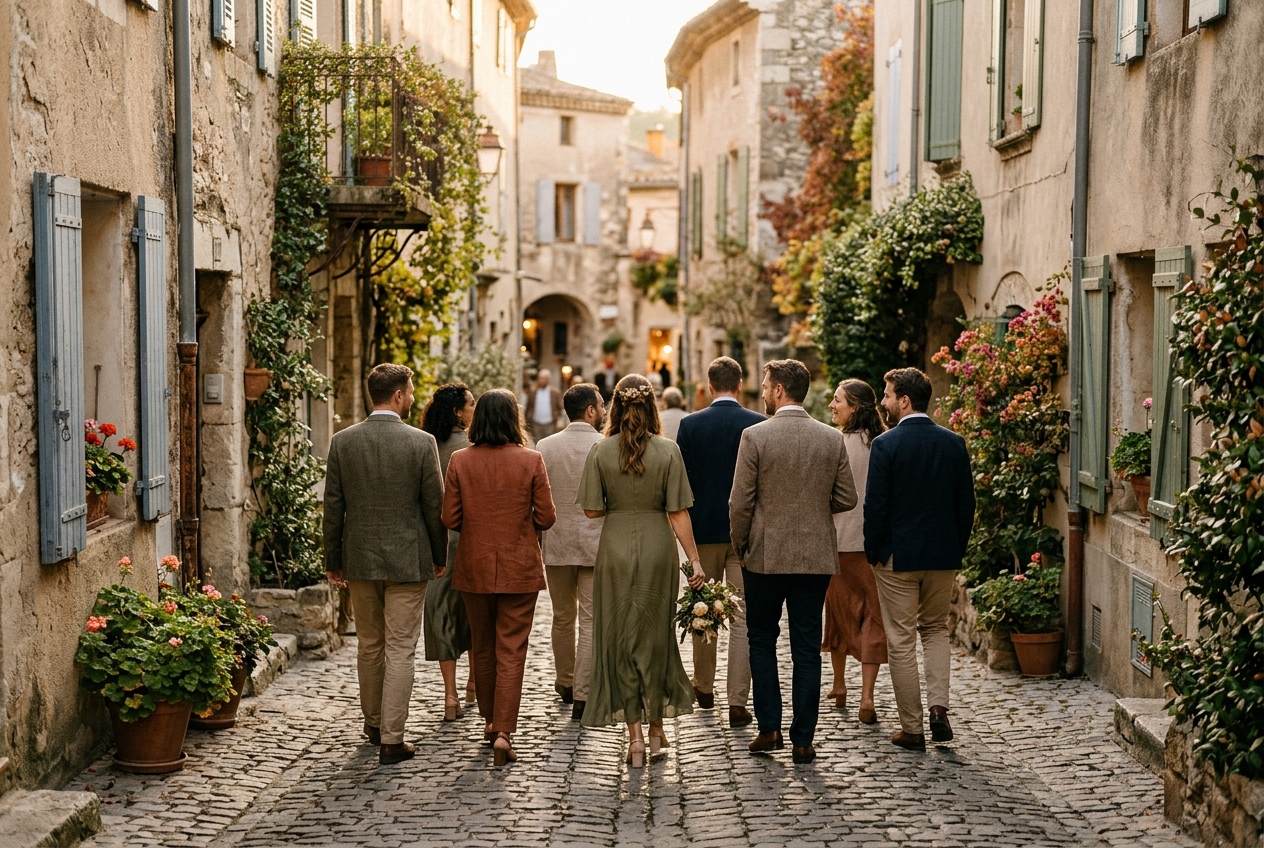
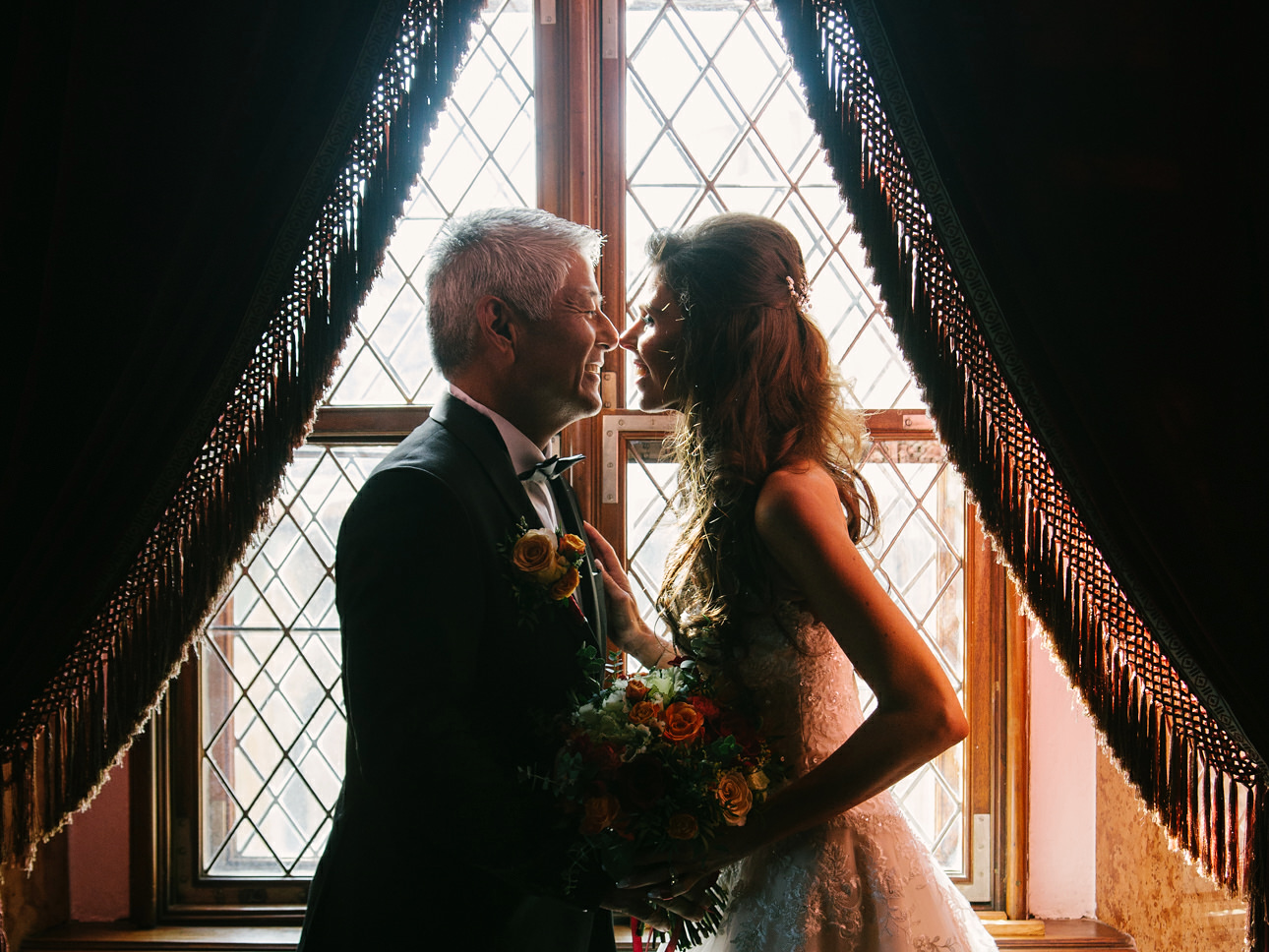
Image: AI-generated editorial illustration, not a photograph of an actual wedding or a specific bookable venue.

Writing your own vows for a symbolic ceremony? Use this calm guide to shape personal promises that feel intimate, clear, Read more
Why Wedding Coordination Is Essential (Even On A Budget) You’ve spent months planning every detail of your wedding—from the venue Read more

Medieval-inspired weddings are rising in popularity — not because couples want costumes, but because they crave atmosphere, symbolism, authenticity, and Read more
Why choose Slovakia, Europe, for your destination wedding? This little Middle Europe country is a lovely idea. Have you ever Read more

Other Articles
The Quiet Bride’s Guide to Wedding Style