There is a quiet shift happening in the way people celebrate.
Not only weddings. Not only birthdays. Not only the traditional milestones we once expected to arrive in a certain order.
Across Europe, historic houses, castles, châteaux, villas and private estates are becoming the setting for a new kind of gathering: smaller, more intentional, deeply atmospheric, and built around the desire to make a moment feel real.
Business Insider recently reported on younger millennials and older Gen Z travelers renting French châteaux for milestone birthdays — a useful signal that heritage settings are no longer reserved for weddings, aristocratic fantasy, or once-in-a-generation occasions.
The larger story is more interesting.
People are creating new rituals around friendship, family, love, identity and time together. And increasingly, they want those rituals to happen somewhere with history.
1. From château birthdays to a wider heritage celebration movement
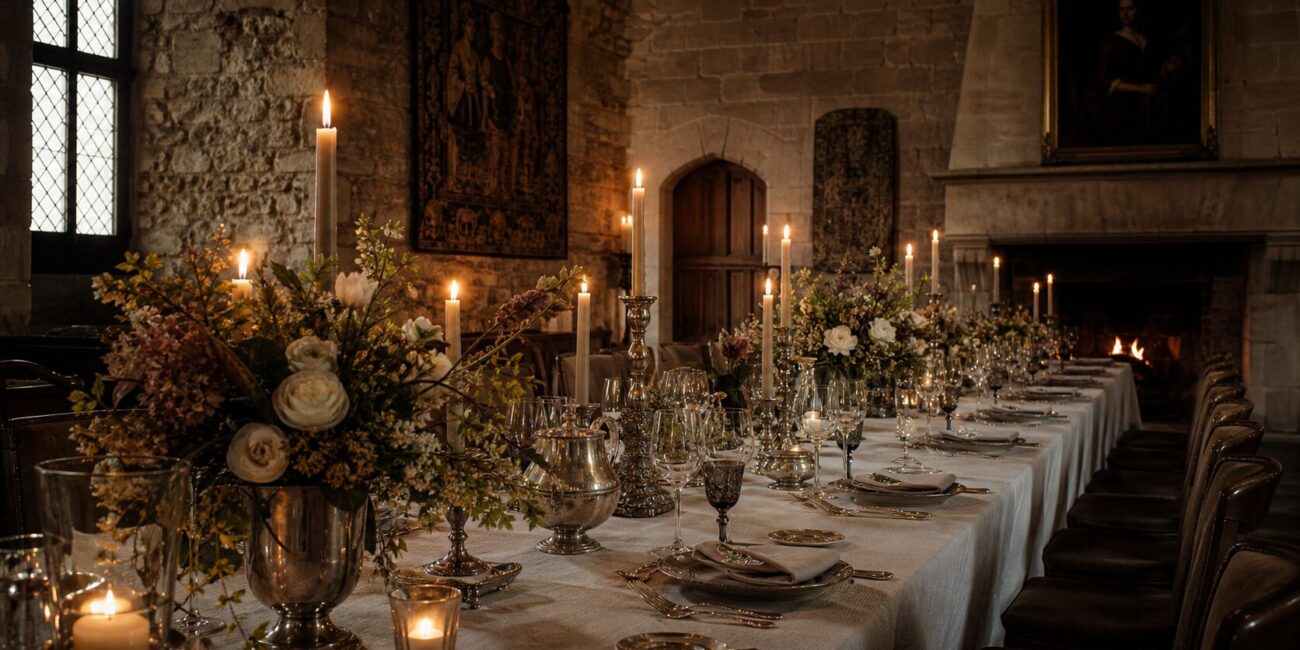
The château birthday may be the visible trend. It is easy to understand why: a group of friends, a historic house in the French countryside, a long weekend, a table set in candlelight, rooms that make the whole celebration feel removed from ordinary life.
But the appeal is not simply that a château photographs well.
It is the sense that the celebration has been lifted out of the expected format. A restaurant dinner becomes a weekend. A birthday becomes a private house party. A friendship group becomes, for a few days, a household. The setting gives the occasion a shape.
This is why heritage celebrations in Europe are gaining emotional power. They give modern milestones the weight and atmosphere that many people feel is missing from everyday life.
2. Why modern celebrations are moving back into places with history
For years, the event world has chased novelty: new color palettes, new floral shapes, new destination lists, new ways to be seen.
Heritage works differently.
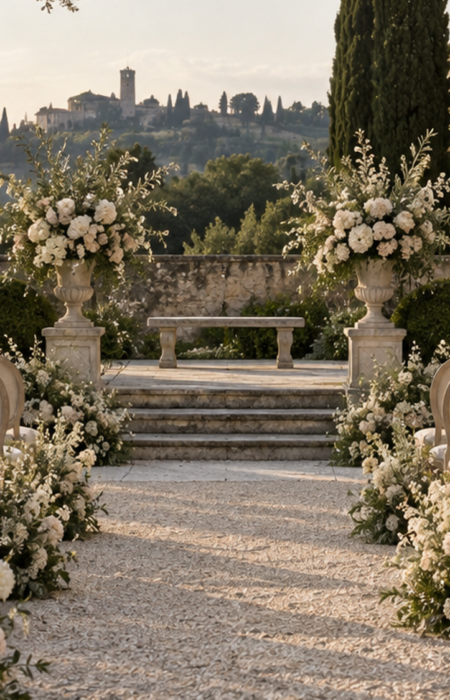
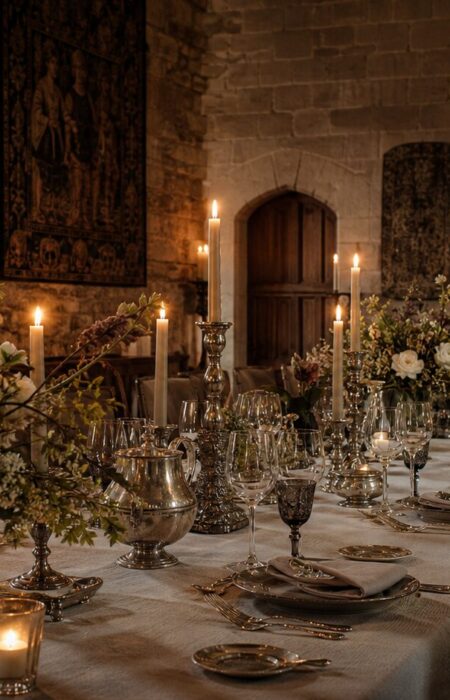
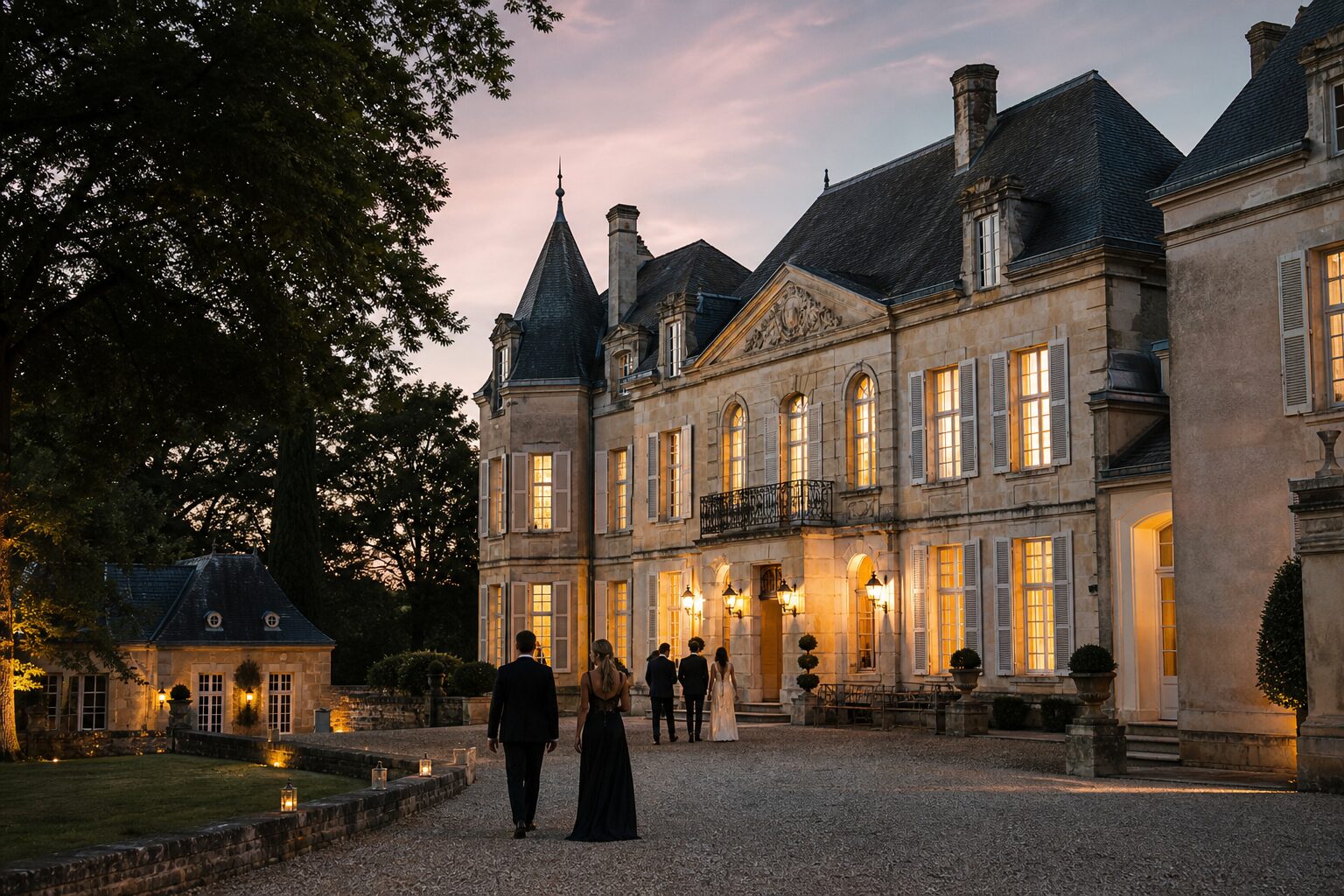
A castle, château, or historic estate already carries texture. Stone walls, old staircases, garden paths, vaulted rooms, shutters, courtyards, candlelight, wood, linen, time. These elements do not need to shout. They create a sense of occasion before a single flower is placed on the table.
That is the real luxury of a historic setting: not decoration, but depth.
When a celebration takes place in a historic place, the host is not inventing meaning from nothing. The place lends rhythm. Guests arrive differently. Dinner feels slower. Speeches land with more gravity. Morning coffee has its own quiet afterglow.
The venue is no longer a backdrop. It becomes part of the memory.
3. Weddings are still central — but they are no longer the only ritual
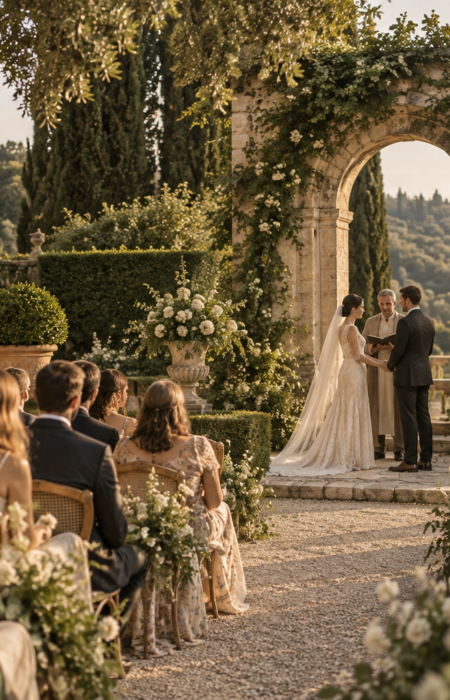
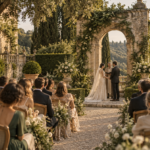
Weddings remain the most complete expression of this world. They bring together ceremony, family, design, hospitality, travel, emotion and symbolism in one deeply layered weekend.
But the language of celebration is expanding.
Vow renewals, milestone birthdays, anniversary weekends, private dinners, family gatherings, women’s weekends, proposal journeys and friendship rituals are beginning to borrow some of the intentionality once reserved for weddings.
This does not make weddings less important.
It suggests something more subtle: people are beginning to treat more life moments as worthy of care.
For some, that comes from delayed marriage or a different relationship to family. For others, it comes from a desire to gather the people they love while life is moving quickly. And for many, it is simply the realization that a meaningful celebration does not need permission from tradition.
4. The new luxury is slower, smaller and more intentional
The heritage celebration belongs to a wider movement toward slow luxury.
Not the loud kind. Not the version built around spectacle, excess or visible spending.
Slow luxury is quieter. It values privacy, craft, atmosphere, good hosting, better decisions and fewer distractions. It understands that a beautiful weekend is not created by adding more, but by choosing more carefully.
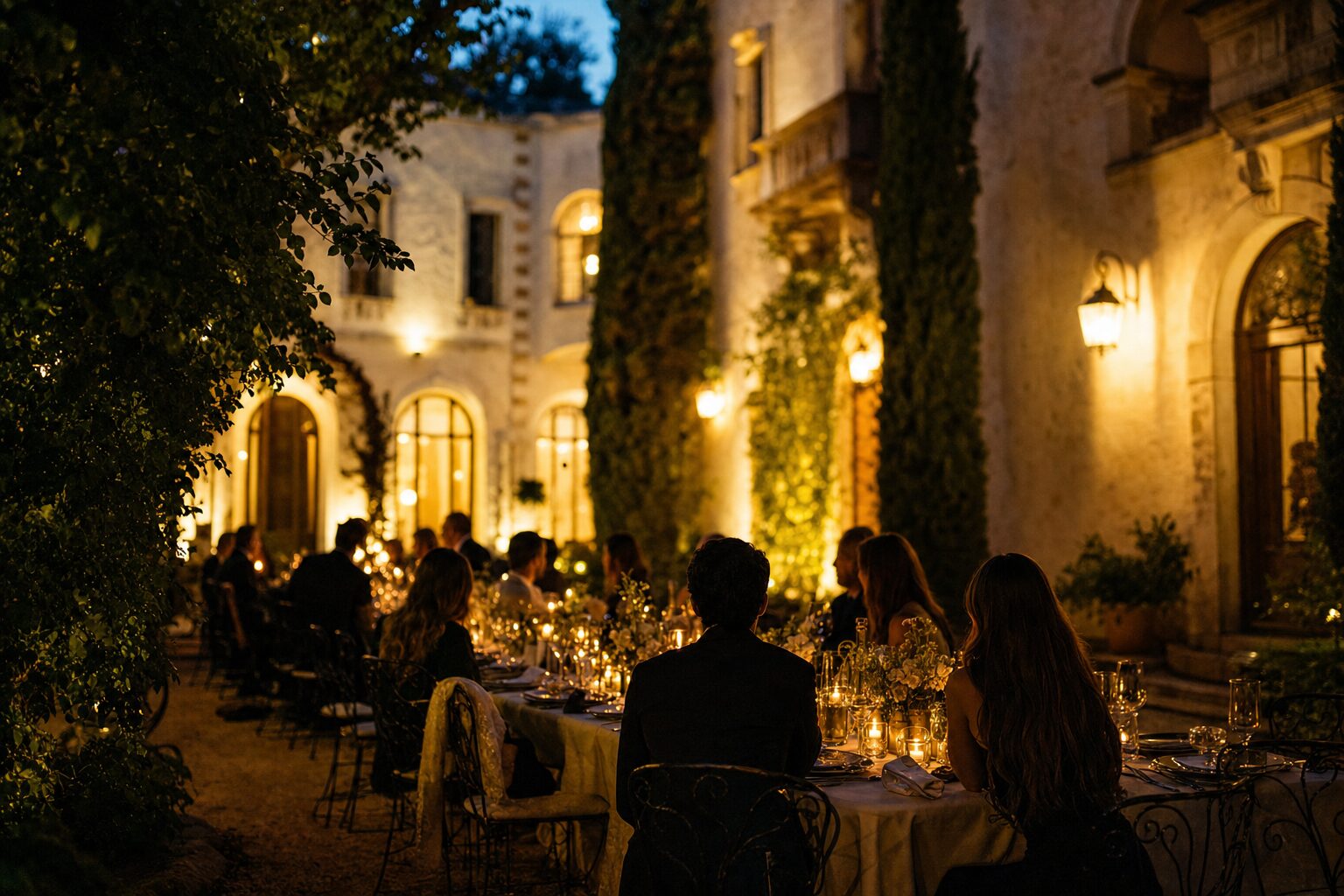
That is why the best heritage celebrations often feel intimate rather than grand. A long table can matter more than a ballroom. A perfectly chosen courtyard can do more than elaborate décor. A well-timed dinner under trees can stay with guests longer than a showpiece installation.
When people choose a castle or château for a private celebration, they are often looking for this exact feeling: a pause from fast life, in a place that makes time feel slower.
5. What makes a heritage celebration feel real rather than themed
There is one important distinction.
A heritage celebration is not the same as a costume party.
The strongest historic settings do not need to be over-explained. They ask for restraint. A few honest materials, good candlelight, considered tables, natural textures, thoughtful music and a sense of hosting usually carry the atmosphere better than theatrical props.
The mistake is to treat the place as a stage set.
A castle does not need crowns, shields or forced fantasy. A château does not need to become a theme. A villa does not need to be dressed until it disappears.
The goal is to let the celebration belong to the place — not to cover the place with an idea imported from Pinterest.
That is where taste becomes practical. It decides what to add, what to remove, and when the room already has enough to say.
6. Europe beyond the obvious château weekend
France may be the most visible reference point in the current château conversation, but the European heritage celebration is much broader.
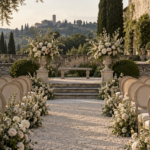
Central Europe offers castles, manor houses and historic estates with a different kind of atmosphere: deeper, more private, sometimes more cinematic, often less expected. Italy brings villas, gardens, courtyards, long dinners and a warm rhythm of hospitality. The UK and Ireland carry their own language of houses, landscapes and inherited ceremony.
The best choice is not always the most famous country or the most recognizable façade.
It is the place that matches the emotional intention of the weekend.
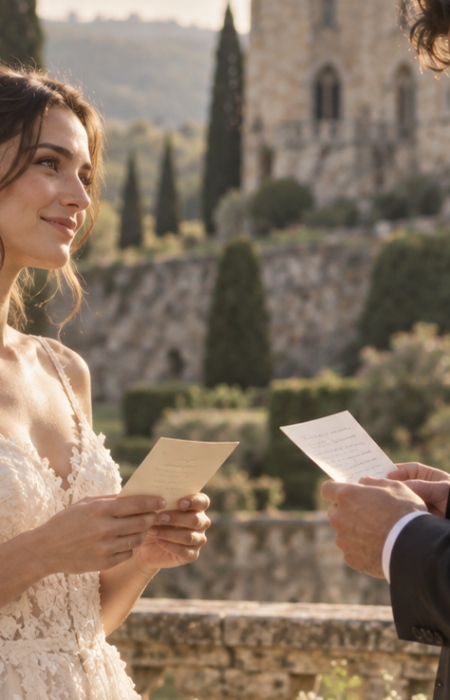
A wedding may need privacy, flow and a sense of arrival. A milestone birthday may need bedrooms, dining atmosphere and space for friends to feel at home. A vow renewal may need intimacy, gardens and a ceremony setting that feels personal rather than performative.
In heritage celebrations, venue selection is not a search for the prettiest castle. It is a search for fit.
7. How to begin thinking about a heritage celebration
Start with the feeling before the venue list.
Ask what the celebration is truly meant to hold. Is it a wedding with family history at its center? A birthday that marks a new decade? A vow renewal after years of life together? A private weekend where friends can step out of the ordinary and into something slower?
Then consider the practical rhythm:
- How many people should the place genuinely hold well?
- Should guests sleep on site, nearby, or arrive only for the main celebration?
- Does the weekend need privacy, or is atmosphere more important than exclusivity?
- Will the main dinner be indoors, outdoors, or able to move between both?
- Does the setting support conversation, ceremony, music, late evenings and a calm morning after?
- Does the architecture already carry the tone, or will the design need to work too hard?
These questions matter because a heritage celebration is rarely successful by scenery alone.
For couples and hosts exploring curated castle weddings and private heritage celebrations in Europe, Castle Weddings approaches the process through venue fit, atmosphere, privacy and guest rhythm — not a long list of pretty castles.
That distinction is what makes the celebration feel inevitable rather than assembled.
8. A new chapter for European celebrations
The rise of heritage celebrations in Europe is not simply a return to old buildings.
It is a response to a very modern need.
Life moves quickly. Much of it happens on screens. Milestones are less predictable than they once were. Families and friendships stretch across countries. People are rethinking what deserves to be celebrated, and how.
In that context, a historic place offers something rare: a sense of continuity.
A castle weekend, a château birthday, an intimate wedding, a vow renewal, a private long-table dinner — these are not just events. At their best, they are ways of saying: this moment matters, and we are giving it somewhere to live.
If you are beginning to imagine a celebration in a historic place, start with the feeling of the weekend. The right castle, château, villa or estate should make the moment feel grounded, private and quietly inevitable.

Writing your own vows for a symbolic ceremony? Use this calm guide to shape personal promises that feel intimate, clear, Read more
Why Wedding Coordination Is Essential (Even On A Budget) You’ve spent months planning every detail of your wedding—from the venue Read more

Medieval-inspired weddings are rising in popularity — not because couples want costumes, but because they crave atmosphere, symbolism, authenticity, and Read more
Why choose Slovakia, Europe, for your destination wedding? This little Middle Europe country is a lovely idea. Have you ever Read more

Other Articles