
Symbolic ceremonies have become one of the most popular choices for modern couples — especially those marrying abroad — yet they’re still surrounded by confusion, assumptions, and outdated myths. After years of planning destination weddings and working with celebrants across Europe and the U.S., I can tell you: most of what couples “think” they know simply isn’t true.
Let’s clear it up once and for all.
1. “Symbolic ceremonies aren’t real weddings.”
This is the biggest myth — and the farthest from the truth.
Symbolic ceremonies are emotionally real, legally valid once the paperwork is handled at home, and often even more personal than the standard civil version.
Paperwork does not equal meaning.
Your vows do.
2. “Guests will know it’s not legal.”
They won’t — unless you tell them.
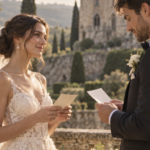
Symbolic ceremonies look, feel, and flow exactly like traditional ones. Celebrants are trained to guide the moment with the same gravitas as any judge or priest.
3. “It’s only for elopements.”
Not true.
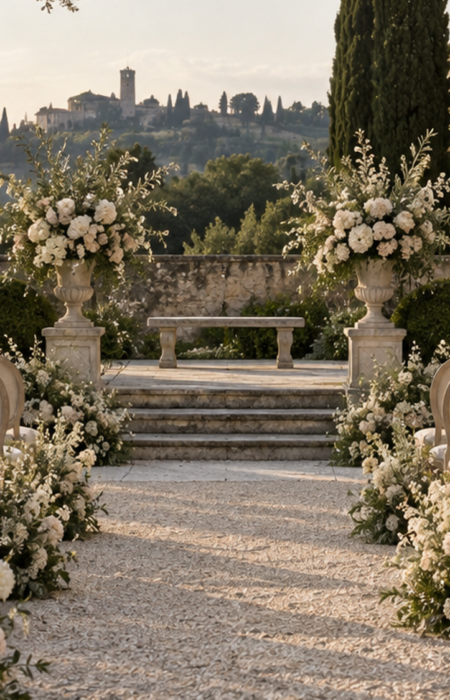
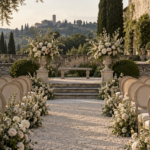
Symbolic ceremonies are used for weddings of all sizes — from two people on a cliff in Santorini to 120 guests in a Tuscan villa to a castle celebration in Central Europe.
4. “It’s for couples who don’t care about tradition.”
Actually, symbolic ceremonies are a favorite of couples who do care about meaning.
You can include rituals from your culture, religious elements, readings, blessings, unity rituals — you name it.
5. “It’s easier to just do everything abroad legally.”
For most countries, it’s not easier at all.
Legal weddings abroad often require months of paperwork, translations, embassy visits, residency days, or specific documents that not everyone has.
A symbolic ceremony avoids all of that.
6. “It won’t feel serious.”
A good celebrant knows how to hold the moment.
Symbolic ceremonies can be deeply emotional, heartfelt, and intentional — without the stiff, scripted feel of some civil weddings.
7. “It’s basically the same as writing your own vows.”
Not quite.
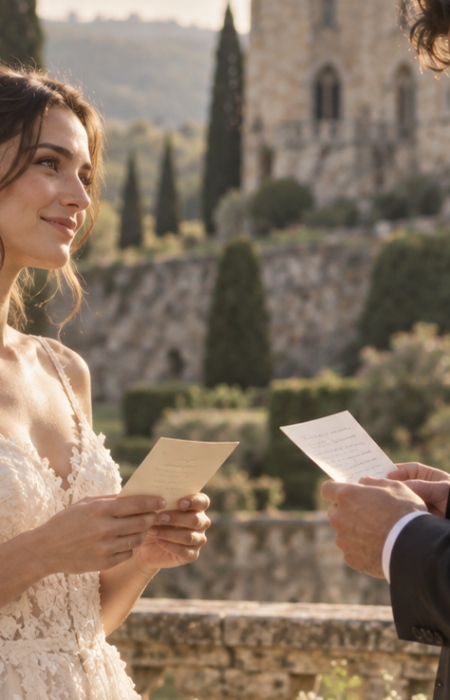
Symbolic ceremonies allow you to personalize the entire structure — readings, wording, entrance, pronouncement, unity rituals, storytelling — not just the vows.
8. “It’s only for international couples.”
No.
Even couples marrying in their own city choose symbolic ceremonies because they want something warmer than the standard civil script.
9. “Family won’t respect it.”
Families usually respect what feels sincere and well-led.
Once they see a professional celebrant guide a meaningful moment, the concerns fade fast.
10. “Symbolic ceremonies are not recognized.”
They’re recognized socially and emotionally.
Legally, you simply sign the official paperwork separately — often the day before — just like many couples do for church weddings.
No one asks you 10 years later where your paperwork was signed.
They remember your ceremony, your words, and the way the moment felt.
Final Thoughts
Symbolic ceremonies aren’t a compromise.
They’re a way to separate the administrative part of marriage from the emotional one — giving you the freedom to craft a ceremony that actually reflects who you are.
If you want fewer rules, more meaning, and a ceremony that feels like you, symbolic ceremonies might just be the perfect choice.
PIN IT

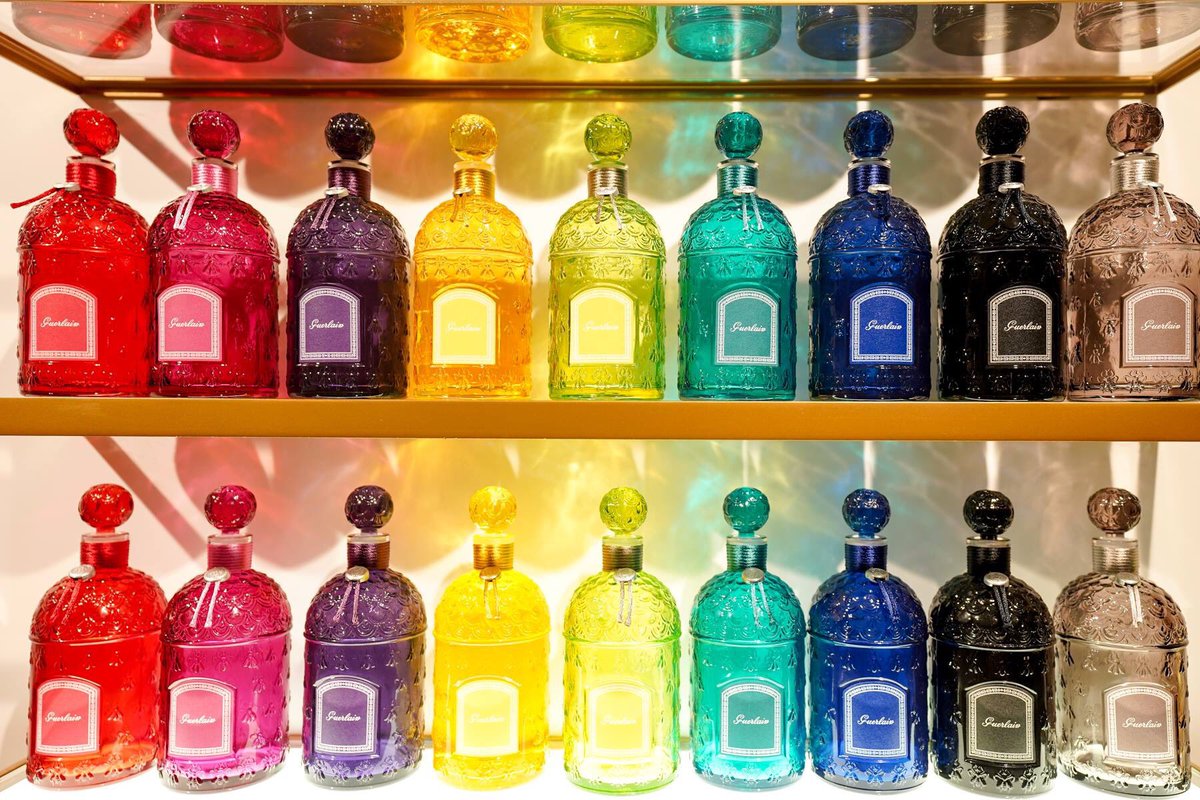
Try GUERLAIN Personalised Perfume for your Wedding Day You know that you can personalize perfume at your fingertips. You can design your personal fragrance, customize your bottle, or Read more
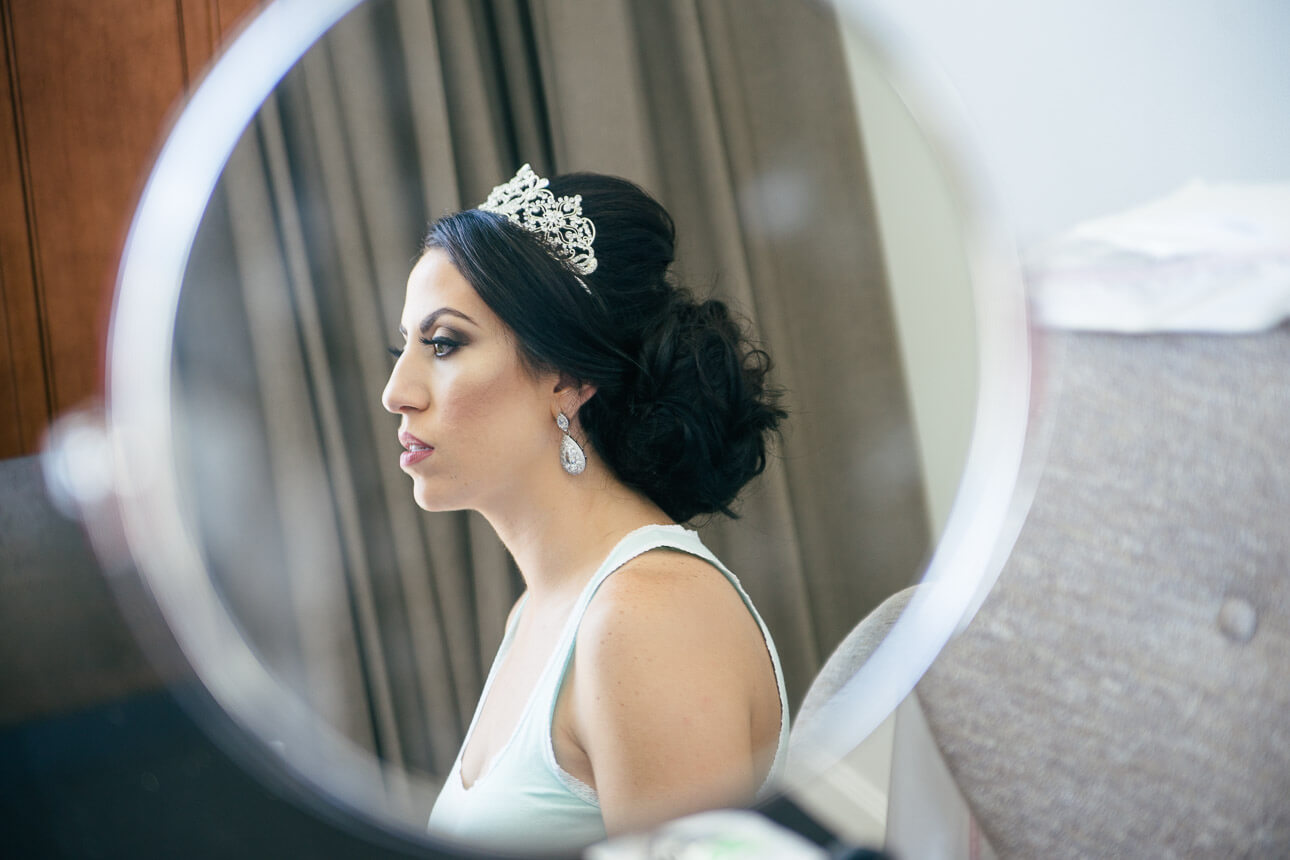
I know this article will be risky, but let me tell you: You can definitely do your own wedding makeup Read more

Writing your own vows for a symbolic ceremony? Use this calm guide to shape personal promises that feel intimate, clear, Read more
Why Wedding Coordination Is Essential (Even On A Budget) You’ve spent months planning every detail of your wedding—from the venue Read more

Other Articles

DIY vs Professional Wedding Invitations: Pros & Cons