

In the world of weddings, trends come and go, but some ideas return with unexpected strength. One of the most fascinating comebacks of the last year?
Medieval-inspired weddings — atmospheric, dramatic, and rooted in a desire for something more meaningful than “just another pretty celebration.”
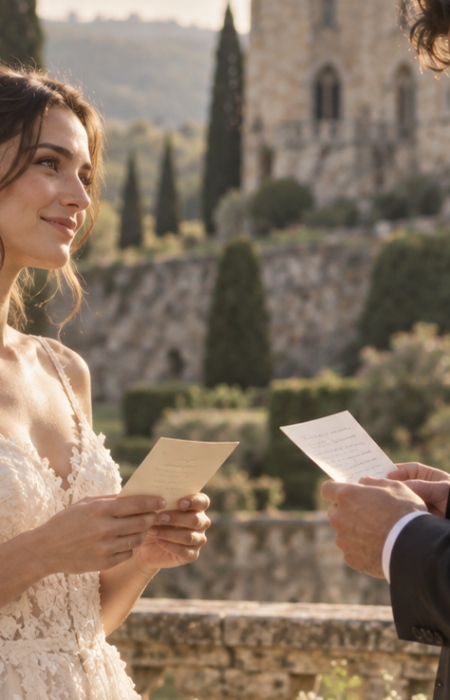
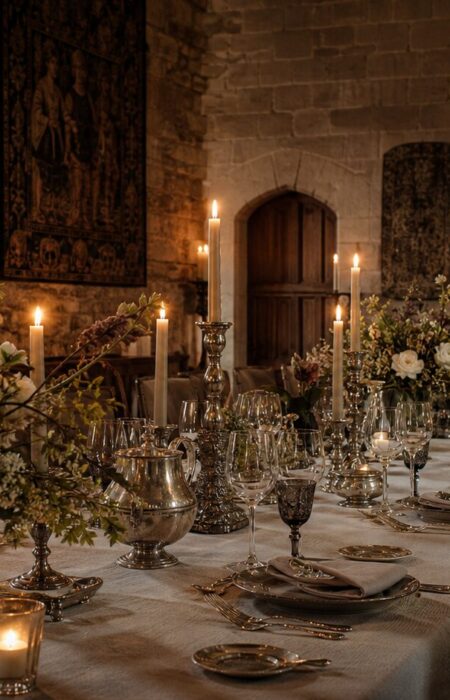
Across the US and Europe, couples are suddenly gravitating toward details that feel ancient, timeless, and almost mythic: flowing capes, banquet-style tables, iron candlesticks, embroidered gowns, illuminated manuscripts as décor, even ceremony scripts inspired by old texts.
But the real story isn’t about costumes or theme aesthetics.
It’s about what modern couples are quietly craving in their wedding day.
1. A Return to Atmosphere Over Aesthetics
Today’s couples — especially Millennials and Gen Z — are weary of overly stylized weddings.
They no longer want the cookie-cutter Pinterest look.
Instead, they want a feeling.

Medieval-inspired design naturally brings atmosphere: stone walls, warm torch-like lighting, wood textures, velvet tones, long tables, and a sense of gathering that feels communal rather than staged.
It’s less about staging a fairytale
and more about creating a world they and their guests can step into.
2. The Rise of “Slow Luxury” in Weddings
Another force driving this trend is the cultural shift toward what many call Slow Luxury — craftsmanship, heritage, intimacy, and depth.
Medieval elements fit perfectly:
- handmade calligraphy
- artisanal fabrics
- natural materials
- deep colors
- ceremony rituals that feel symbolic rather than performative
Couples aren’t chasing opulence; they’re chasing meaning, longevity, and authenticity.
3. A Counter-Movement to the Fast Wedding Industry
After years of micro-trends, overnight TikTok aesthetics, and “Amazon-Prime weddings,” people want the opposite: something rooted in history.
Medieval-inspired weddings signal a desire for:
- permanence
- symbolism
- ceremony with weight
- a narrative that ties generations together
It’s not nostalgia — it’s a search for connection.
4. The Influence of Pop Culture (More Subtle Than You Think)
Yes, shows like Game of Thrones, The Witcher, and high fantasy franchises contributed to the aesthetic vocabulary.
But the couples choosing this style aren’t dressing up like characters.
They’re borrowing the tone:
- candlelit halls
- cloaked entrances
- ancient-looking invitations
- banquet dinners
- moss, aged woods, and iron accents
It’s less “renaissance fair,” more “heritage-rich ambiance.”
5. Why This Trend Works Beautifully in European Venues
Of course, medieval-inspired weddings shine most naturally in Europe, where castles, chateaux, monasteries, and fortified manor houses already carry the patina of centuries.
Places with:
- stone courtyards,
- historical façades,
- vaulted halls,
- gardens designed long before photography existed.
These venues do not need heavy décor — a few candle clusters and textile touches are enough to let history do the talking.
And paradoxically, it makes the wedding feel more luxurious — because the luxury comes from authenticity, not abundance.

6. How to Avoid the “Costume Party” Trap
The line between atmospheric and theatrical can be thin.
Here’s what works best for couples who want the medieval vibe without turning their wedding into a theme park:
- keep attire modern but textured
- rely on palette, materials, and lighting
- choose one or two symbolic elements (handfasting, vows from literature)
- prioritize ambiance over props
- use long tables with simple greenery
- avoid helmets, shields, faux armor, etc.
Tasteful restraint is the secret.

7. The Real Reason This Trend Is Growing
At its core, the rise of medieval-inspired weddings isn’t about aesthetics.
It’s about identity.
Couples want their wedding to reflect:
- their values,
- their family history,
- their sense of romance,
- and their desire to feel part of something older than themselves.
In a fast, digital world, a wedding that feels grounded in the past becomes a quiet act of rebellion — and a celebration of permanence. Medieval-inspired weddings are rising in popularity — not because couples want costumes, but because they crave atmosphere, symbolism, authenticity, and Slow Luxury. Here’s why this ancient aesthetic feels unexpectedly modern today.
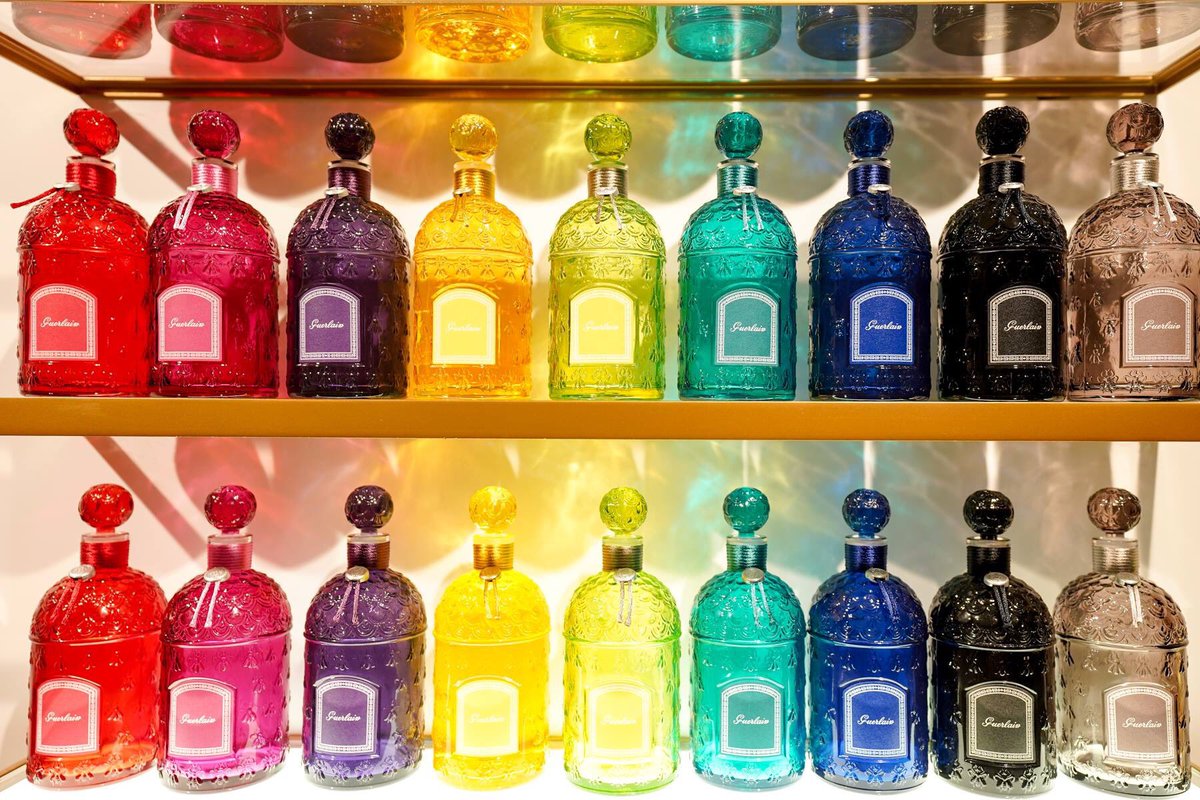
Try GUERLAIN Personalised Perfume for your Wedding Day You know that you can personalize perfume at your fingertips. You can design your personal fragrance, customize your bottle, or Read more
I know this article will be risky, but let me tell you: You can definitely do your own wedding makeup Read more

Writing your own vows for a symbolic ceremony? Use this calm guide to shape personal promises that feel intimate, clear, Read more
Why Wedding Coordination Is Essential (Even On A Budget) You’ve spent months planning every detail of your wedding—from the venue Read more


The Rise of Heritage Celebrations in Europe
10 Myths About Symbolic Ceremonies