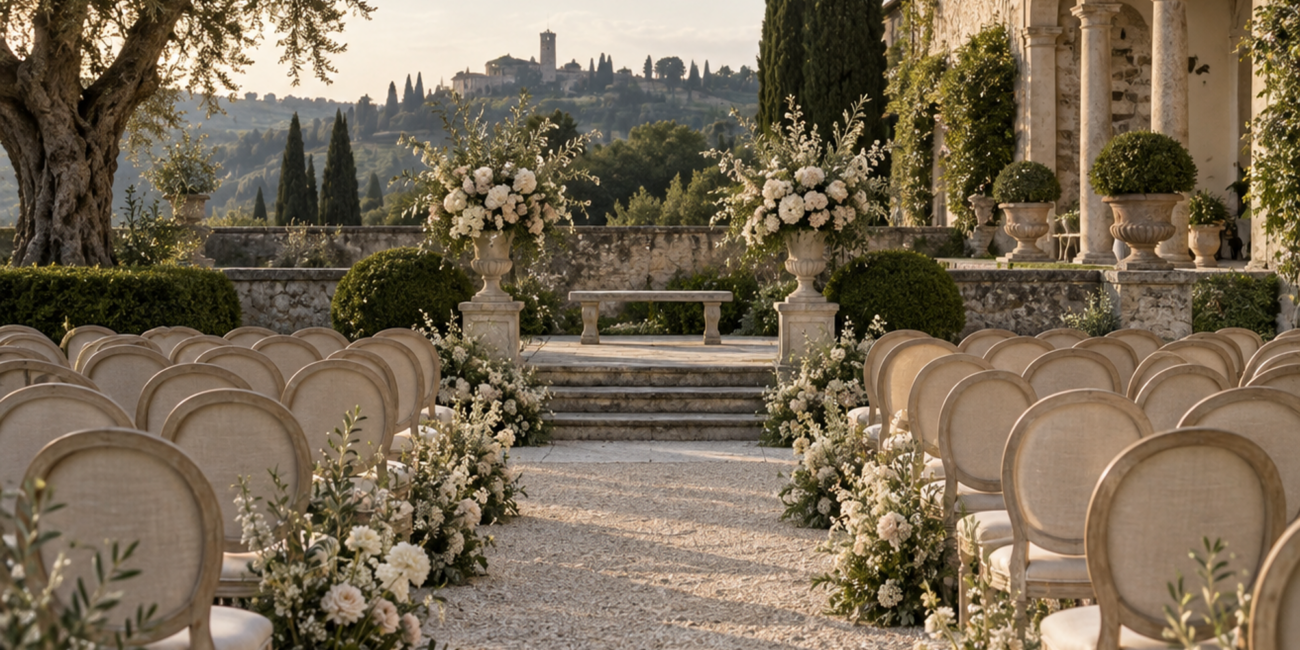
A symbolic ceremony is a wedding ceremony shaped around the couple rather than around a fixed legal or religious script. That is why it can work for a private elopement, an intimate destination wedding, or a larger celebration with families, friends, music, readings, and guests from several countries.
The size of the wedding changes the rhythm. It does not change the purpose. A symbolic ceremony gives the wedding moment structure, meaning, and emotional clarity, whatever the guest count.
Summary in Brief
- A symbolic ceremony is not only for elopements. It can be quiet, hosted, formal, relaxed, multilingual, traditional in feeling, or completely personal.
- The main advantage is flexibility. The ceremony can be written around the couple, the setting, the guests, and the tone of the day.
- Small weddings need intimacy. Symbolic ceremonies help an elopement or micro wedding feel complete, not improvised.
- Larger weddings need coherence. A symbolic ceremony gives everyone in the room a shared emotional beginning.
- Destination weddings benefit most. Legal paperwork can stay practical, while the wedding ceremony itself can happen in the place that feels right.
What is a symbolic ceremony?
A symbolic ceremony is a wedding ceremony that marks the commitment between two people without needing to be the legal act of marriage. The legal paperwork can happen separately, while the wedding ceremony can be written and led in a way that reflects the couple, their story, their families, and the place where they gather.
This is especially useful for destination weddings. A couple may handle the civil paperwork at home, then hold the ceremony abroad in a garden, chapel, courtyard, castle hall, vineyard, or historic estate. The guests experience one clear wedding moment. The bureaucracy stays out of the spotlight.
Why do people think symbolic ceremonies are only for elopements?
Symbolic ceremonies are often associated with elopements because elopements usually need freedom. A couple may want a ceremony at sunrise, on a terrace, in a private library, or in a landscape where a civil registrar would not normally officiate. A symbolic ceremony makes that possible.
But the same freedom helps larger weddings too. The misunderstanding comes from confusing flexibility with informality. A symbolic ceremony can be simple, but it does not have to be casual. It can be elegant, structured, and deeply ceremonial.
The question is not “Is this wedding small enough for a symbolic ceremony?” The better question is: “Do we want the ceremony to feel personally written for us?”
How does a symbolic ceremony work for an elopement?
For an elopement, a symbolic ceremony gives shape to a very private decision. Without that structure, an elopement can risk feeling like a photoshoot with vows attached. With a ceremony, the day has a center.
The ceremony may include only the couple and celebrant. It may include personal vows, a short reading, music, a ritual, or a quiet exchange of rings. The tone is usually intimate and unforced. Every word can be close to the couple because there is no large room to address.
In an elopement, the ceremony does not need to be long. It needs to feel real. A symbolic ceremony helps the couple slow down enough to understand that this is not only a beautiful location. It is the moment they chose each other in front of the place, the day, and perhaps only one or two witnesses.
How does it work for an intimate wedding?
For an intimate wedding of 20 to 60 guests, a symbolic ceremony can balance privacy with hospitality. The ceremony still feels personal, but the guests are invited into the meaning of the relationship.
This is where the celebrant or ceremony writer matters. They can tell just enough of the couple’s story for parents, siblings, and close friends to feel included. They can introduce vows, readings, music, and family gestures in a way that feels natural rather than staged.
An intimate wedding also allows for details that would be harder in a large formal ceremony: a parent blessing, a friend reading, a candle ritual, a bilingual welcome, or a short pause to acknowledge family members who could not be present.
How does it work for a larger wedding?
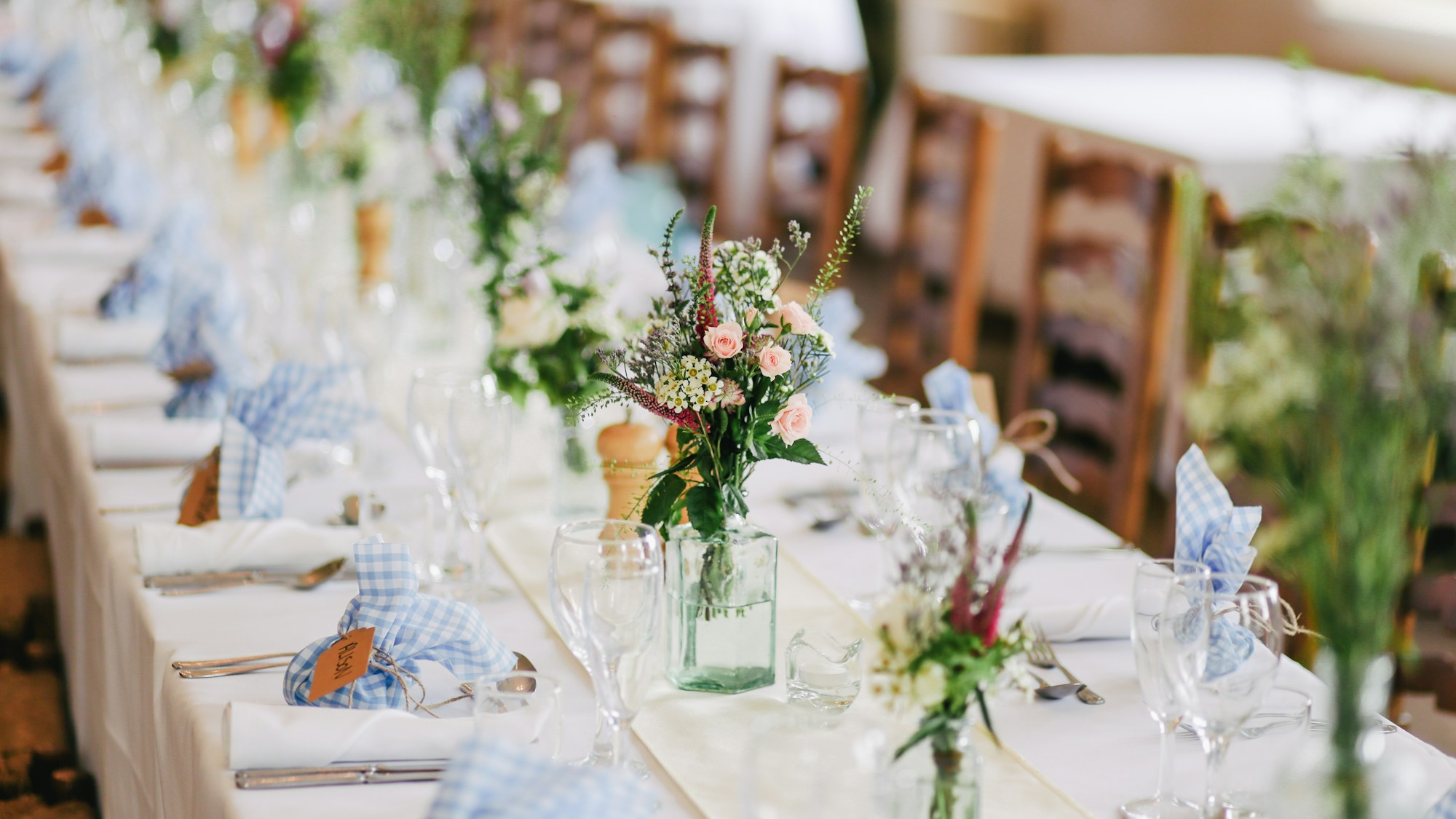
For a larger wedding, a symbolic ceremony creates coherence. When many guests travel, dress for the occasion, and gather in a meaningful place, they need more than a quick legal formality. They need a ceremony that tells them why they are there.
A larger symbolic ceremony can still be elegant and controlled. It may include processional music, a formal welcome, a couple story, selected readings, vows, ring exchange, and a closing moment. The difference is that the script can be designed for the people in the room instead of being limited to standard wording.
The ceremony can also solve practical international issues. If guests speak different languages, the celebrant can include two languages with care. If families come from different cultural backgrounds, the ceremony can acknowledge both without forcing a religious or legal structure that does not belong to the couple.
Elopement, intimate wedding or big celebration: what changes?
The same symbolic ceremony format changes depending on scale. The guest count affects how much explanation, pacing, and hosting the ceremony needs.
The mistake is to use the same ceremony voice for every format. A two-person elopement can be almost whispered. A larger destination wedding needs to be heard, understood, and paced for guests who may not know the whole story.
Why does symbolic work so well for destination weddings in Europe?
Symbolic ceremonies work especially well for destination weddings in Europe because they separate the legal act from the emotional ceremony. Couples can handle the legal steps where they are simplest, then choose the ceremony location for atmosphere, meaning, privacy, and guest experience.
That freedom matters in historic venues. Some places are perfect for a ceremony but not practical for legal registration. A castle garden, old chapel, vineyard terrace, library, courtyard, or candlelit hall may carry the feeling of the wedding more naturally than a municipal room.
For international couples, symbolic ceremonies also allow the script to be more inclusive. The ceremony can explain the choice of place, acknowledge travel, include family languages, and help guests understand the significance of the setting.
Can a symbolic ceremony still feel traditional?
A symbolic ceremony can feel traditional if the couple wants tradition in the emotional sense: procession, music, spoken promises, rings, readings, a blessing-like closing, and a clear beginning to married life.
Traditional feeling does not always require a traditional legal format. Many couples want the ceremony to feel recognizable to their families, but still personal enough to avoid sounding generic. A symbolic ceremony can hold both needs.
That balance is often the strongest version: familiar enough that guests understand the moment, personal enough that the couple does not disappear inside a script written for everyone.
When is a symbolic ceremony not the right fit?
A symbolic ceremony may not be the right fit if the couple wants the legal act and the public ceremony to be one single official moment, or if their religious tradition requires a specific rite. It also needs care if close family members strongly expect a civil or religious structure and the couple has not explained the choice.
In those cases, the answer may be a hybrid approach: a legal or religious ceremony in one setting, followed by a symbolic ceremony, blessing, or vow exchange elsewhere. The right structure depends on the couple, the family context, and the country involved.
FAQ
Is a symbolic ceremony legally binding?
A symbolic ceremony is usually not legally binding by itself. Couples often complete the legal marriage paperwork separately, then hold the symbolic wedding ceremony in the location and style that feels right for them.
Can guests tell the difference?
Guests usually remember whether the ceremony felt sincere, clear, and well hosted. If the symbolic ceremony is written and led properly, it can feel more meaningful than a short legal formality because it is designed around the couple and the people present.
Can a symbolic ceremony include religious or cultural elements?
Yes, if they are appropriate for the couple and handled with respect. A symbolic ceremony can include readings, rituals, family blessings, music, or cultural gestures, but it should not imitate a religious rite in a careless way.
How long should a symbolic ceremony be?
Most symbolic ceremonies work well between 20 and 35 minutes. Elopements can be shorter. Larger weddings may need more time for music, readings, translations, guest seating, and transitions.
Choose the ceremony by feeling, not by size
A symbolic ceremony is not defined by whether the wedding has 2 guests or 200. It is defined by intention. The ceremony is written for this couple, in this place, with these people, at this point in their lives.
That is why the format travels so well between elopements, intimate weddings, and larger celebrations. The ceremony can become quieter or more formal, shorter or more layered, private or guest-facing. It still does the same work: it gives the wedding a beginning that feels true.
If you are shaping your own ceremony, the next useful step is to think about the words you will personally say. Read the WMF guide to writing your own vows for a symbolic ceremony.

Writing your own vows for a symbolic ceremony? Use this calm guide to shape personal promises that feel intimate, clear, Read more

Medieval-inspired weddings are rising in popularity — not because couples want costumes, but because they crave atmosphere, symbolism, authenticity, and Read more
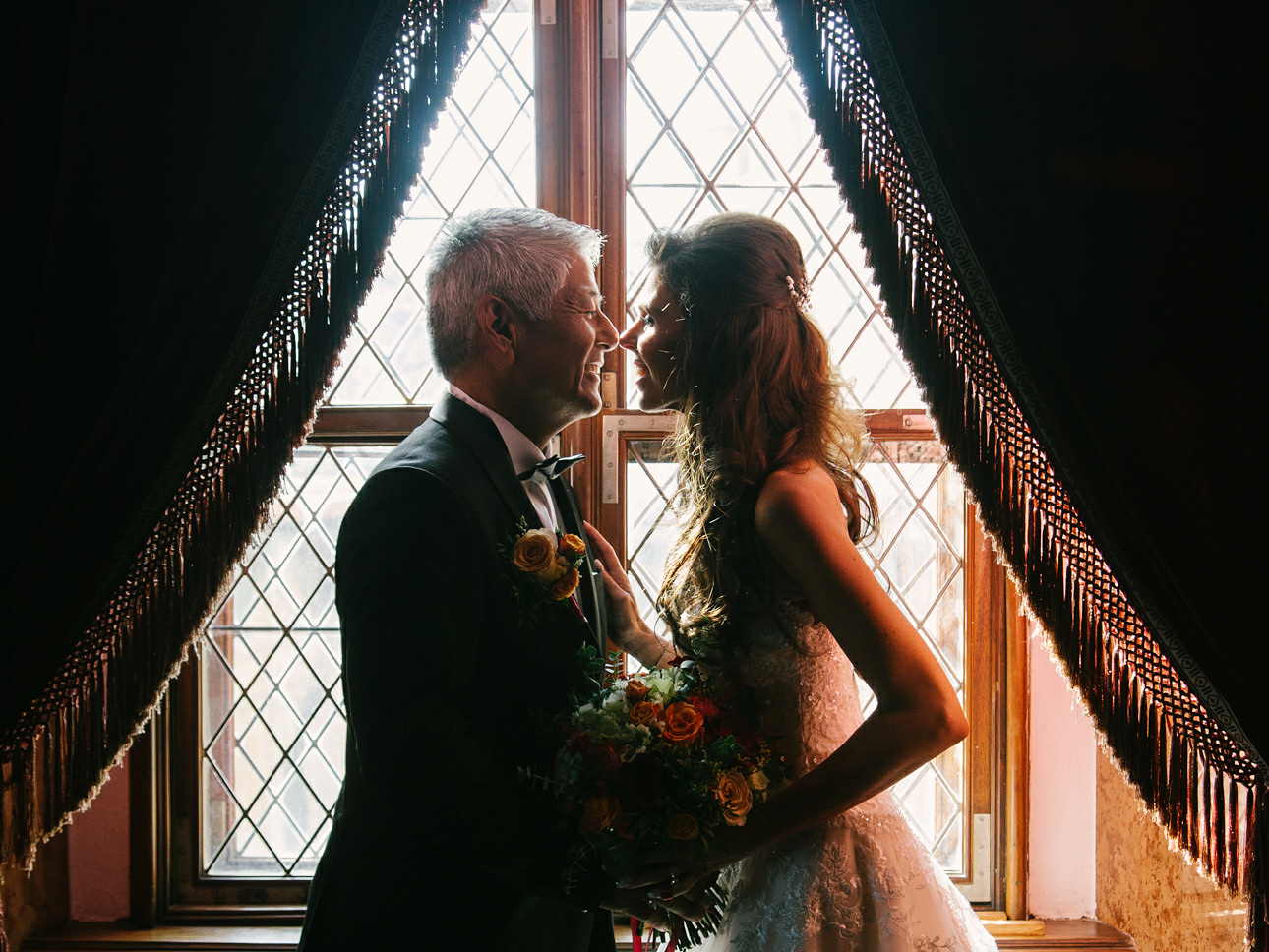
Why choose Slovakia, Europe, for your destination wedding? This little Middle Europe country is a lovely idea. Have you ever Read more

A symbolic ceremony gives you full freedom — but who should officiate it? Learn about professional celebrants, family officiants, and Read more

Other Articles
What Guests Remember From a Wedding Ceremony
Writing Your Own Vows: A Symbolic Ceremony Guide