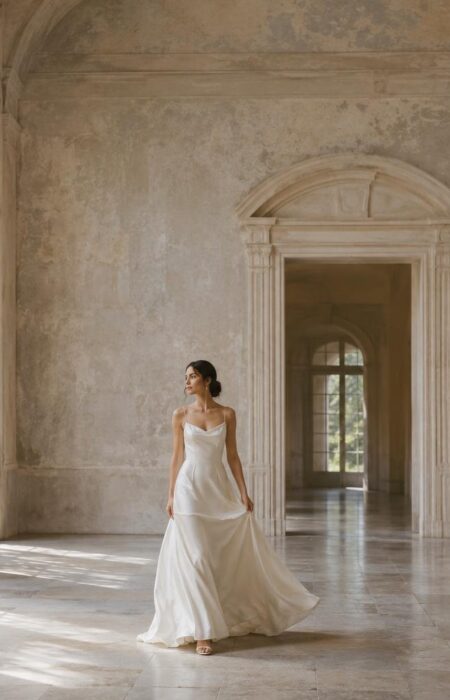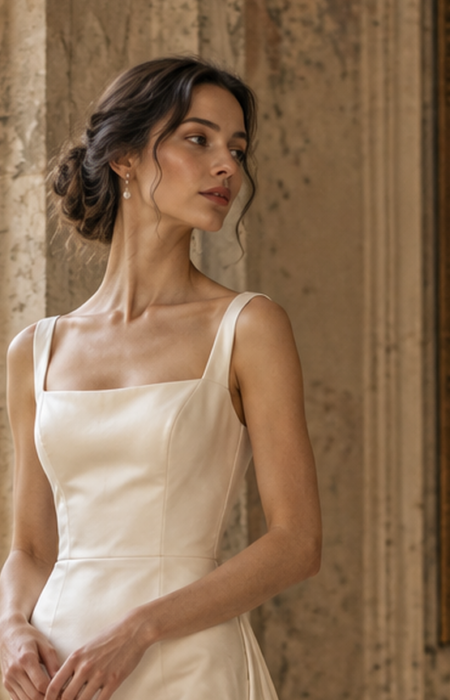

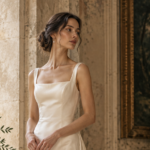

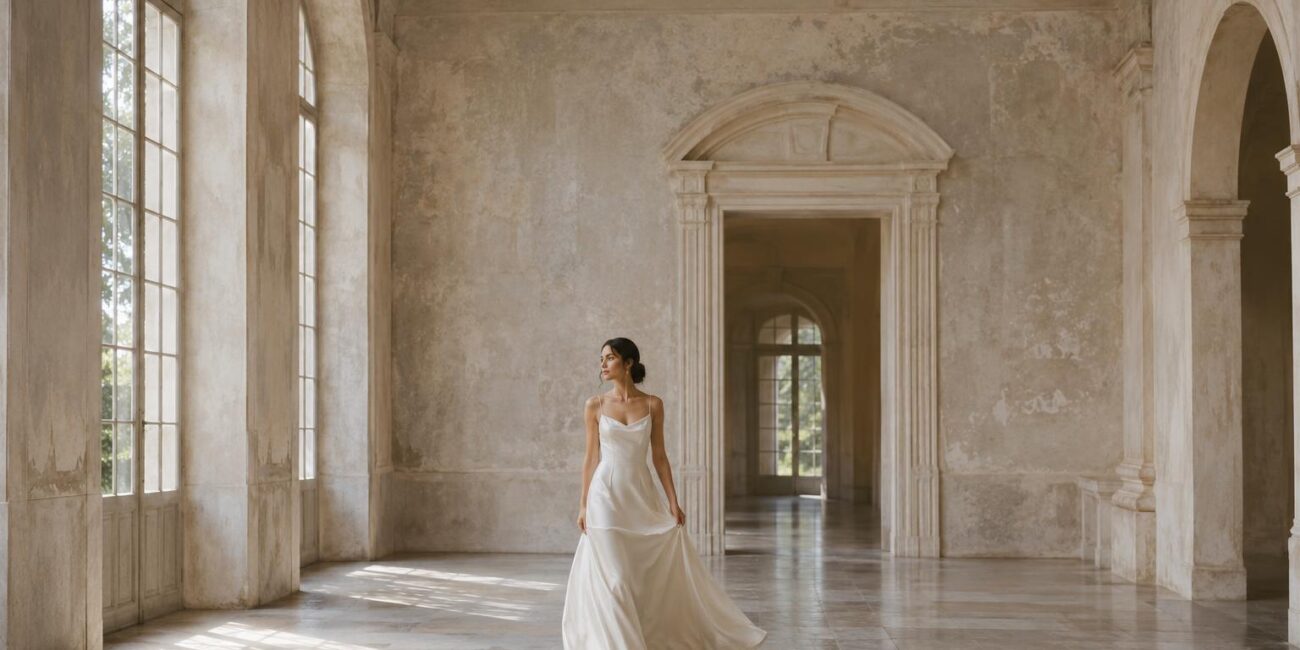
The best dress for a historic wedding venue does not imitate the building. It responds to its scale, surfaces, light and the way you will move through it. Start with the venue’s strongest physical qualities, then choose a silhouette and fabric that either echo them or create a deliberate contrast. The result should feel considered, not theatrical.
This is a practical styling method, not a rule that a castle requires a ball gown or a country house requires lace. A historic venue already has character. Your dress needs enough presence to belong there while still looking unmistakably like you.
What You Need Before Choosing the Final Look
Gather evidence from the actual spaces you will use, not only the venue’s most dramatic promotional photograph. Ask for images of the ceremony room at the same time of day, the route from preparation to ceremony, the dinner room and the outdoor surfaces. A marble staircase and a gravel courtyard ask different things of the same hem.
Bring these details to a bridal appointment:
- Full-length photographs of the ceremony and reception spaces.
- The width and condition of aisles, stairs and doorways.
- The likely temperature, ground surface and walking distances.
- Your photographer’s plan for portraits and movement.
- The shoes, underlayers and outerwear you expect to wear.
1. Read the Venue’s Scale Before the Decoration
Begin with proportion. A high-ceilinged hall, long aisle or broad stone staircase can visually absorb more volume than a small paneled room. That does not make a fuller skirt compulsory. It means that a very narrow silhouette may need another source of presence, such as a strong neckline, architectural draping, a cape or a veil with length.
In an intimate historic room, excessive volume can crowd both the space and the photographs. A column, sheath or softly structured A-line often allows the room to remain visible around the body. In a grand hall, the same restrained silhouette can work beautifully when its line is decisive rather than delicate.
2. Decide Whether to Echo or Contrast the Architecture
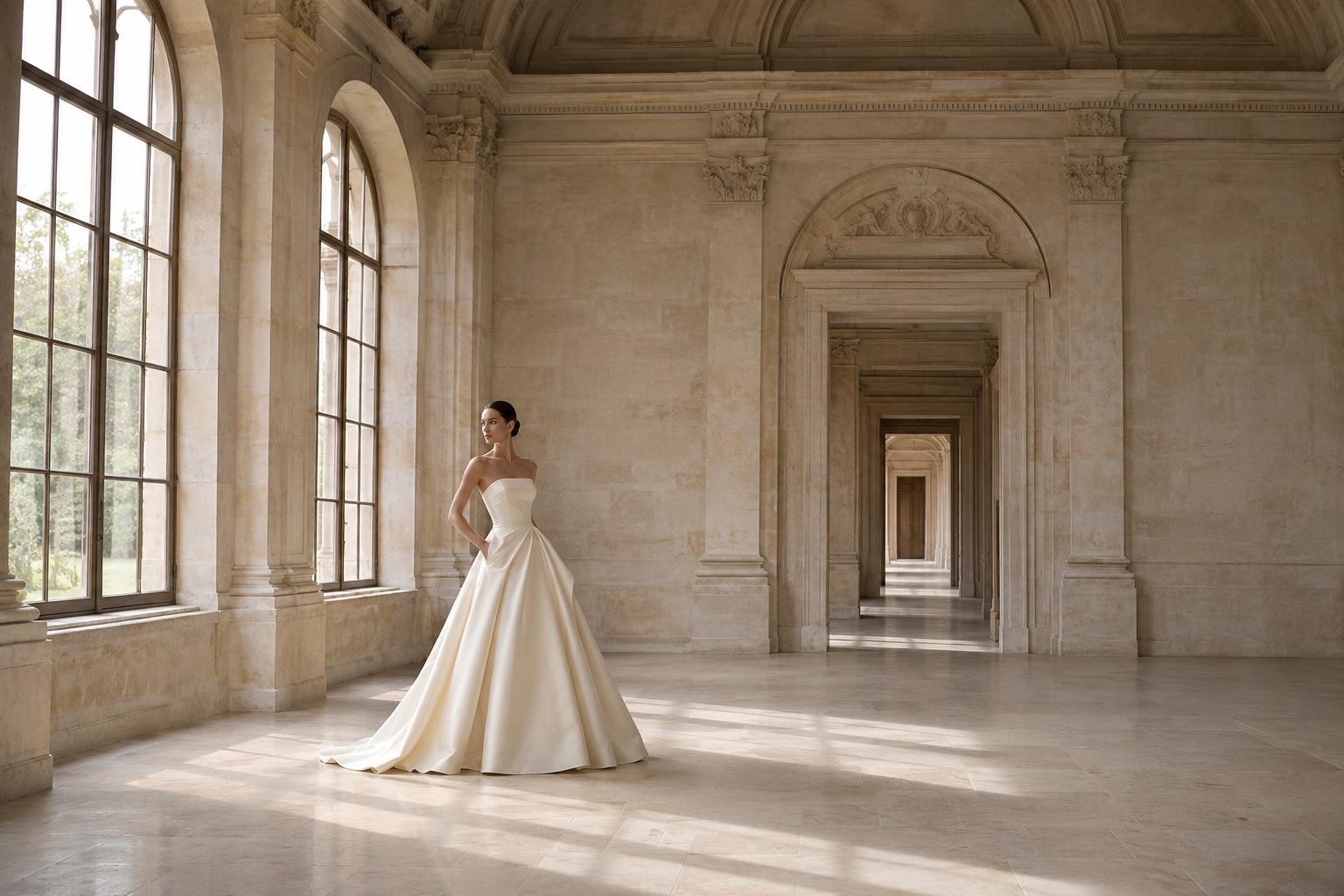
A successful look usually makes one clear choice: echo the setting or contrast it. Echo might mean a sculpted gown in a symmetrical neoclassical room, or a fluid silk dress in a weathered villa whose beauty is soft and irregular. Contrast might place a minimal crepe column against ornate gilding, allowing both the dress and the room to appear sharper.
Problems arise when every feature competes for the same attention. Elaborate lace, a heavily embellished veil, statement jewelry and a richly decorated interior can merge into visual noise. If the room is ornate, choose which part of the bridal look carries detail and let the rest provide calm.
3. Match Fabric to Light, Surface and Season
Fabric changes under historic interiors. Matte crepe reads as a clean shape in low, warm light. Satin catches candlelight and window light, but every fold becomes visible. Tulle creates atmosphere and movement without the same visual weight as a dense skirt. Lace can feel connected to age and craft, yet the pattern should remain distinct against carved walls, tapestries or patterned floors.
Look at the fabric from several meters away. Historic rooms are often photographed with more depth than a white studio, so a detail that feels rich at arm’s length may disappear in a full-room portrait. Conversely, a reflective fabric that looks restrained in a fitting room may become dominant beside a large window.
Season also changes performance. Heavy mikado can hold an architectural silhouette in a cool interior but become demanding during a warm outdoor ceremony. Fine silk moves beautifully, though wind can reveal whether the cut and underlayers offer enough control. The correct fabric is the one that preserves the intended line throughout the day.
4. Test the Dress in Motion, Not Only on a Platform
A historic wedding rarely happens in one room. You may cross stone floors, climb stairs, walk through gardens and stand on old paving before dinner. During a fitting, recreate those movements as closely as possible. Walk quickly, turn in a confined space, sit on a firm chair and climb several steps.
Watch what your hands do. If you instinctively lift, pull or rearrange the skirt every few seconds, that behavior will appear in photographs and interrupt conversations. A bustle must be simple enough for one trusted person to secure. A removable overskirt or cape should have a clear storage and change plan, not become an object carried through the reception.
5. Use the Train and Veil as Spatial Elements
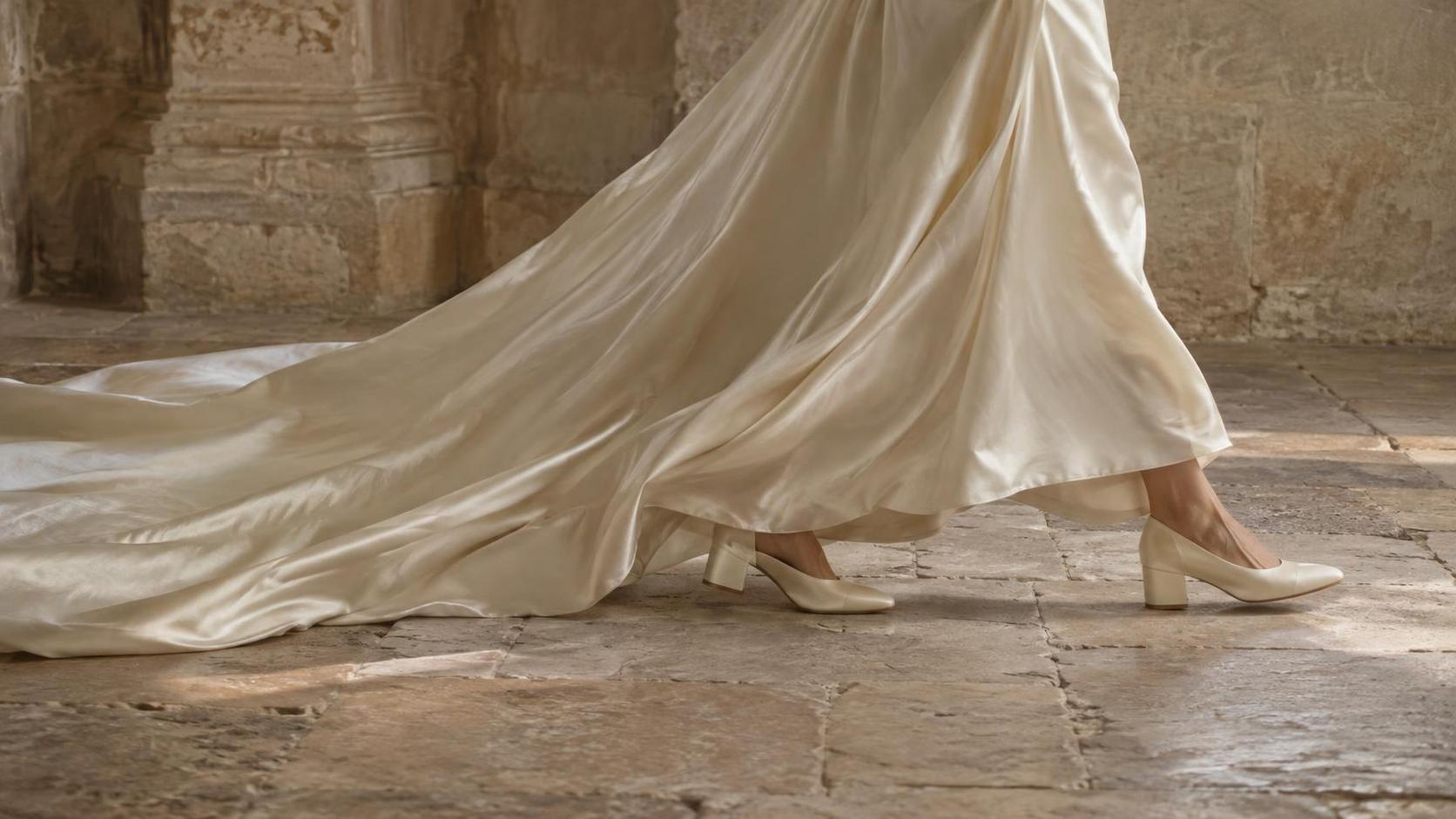
A train and veil shape the space around the bride. Their purpose is not merely to add drama. A long veil can create continuity down a wide aisle, soften stone architecture or bring movement to a minimal gown. A train can anchor a portrait on a staircase, but it needs a clean surface and enough room to be arranged without blocking circulation.
Choose one dominant trailing element unless the venue and dress can support both. A cathedral-length veil over an elaborate train may be magnificent in a large ceremonial room and cumbersome in a narrow corridor. Ask where each piece will be worn, removed and safely placed. The answer should be practical before it is picturesque.
6. Let Accessories Clarify the Look
Accessories should complete the relationship between dress and setting rather than repeat every historic reference. With an ornate interior and detailed gown, a single pair of earrings may be enough. A restrained dress can carry a stronger veil, sculptural jewelry or gloves without losing its line.
Avoid building a period costume by accumulation. A tiara, antique-style lace, opera gloves and a heavily embroidered veil may each be beautiful, but together they can suggest a theme rather than a personal wedding look. If you want a historical reference, choose one and make it precise.
Shoes deserve equal attention. Thin heels can sink into lawns and catch between old stones. A stable heel or elegant flat may preserve posture and ease more effectively than a shoe chosen only for a close-up photograph.
7. Plan a Look That Can Change Without Losing Its Identity
Historic venues often contain distinct moods: a formal ceremony room, an outdoor terrace and a darker dinner space. A dress can adapt without becoming three unrelated looks. Remove a veil, add a structured jacket or change jewelry while keeping the core silhouette consistent.
Make each change solve a real need. A cape can provide warmth for an evening portrait. A shorter veil can prevent tangling during a windy ceremony. A second pair of shoes can support dancing on a hard floor. Transformation is most convincing when it follows the day rather than existing only for novelty.
Common Mistakes When Styling a Dress for a Historic Venue

The first mistake is treating “historic” as a single aesthetic. A medieval stone hall, an eighteenth-century palace and an Arts and Crafts house do not ask for the same response. Study the specific building.
The second is allowing a venue photograph to overpower comfort and identity. A dramatic staircase portrait lasts a few minutes; you will wear the dress through the ceremony, dinner and movement between spaces. The third is ignoring logistics until the final fitting. Trains, bustles and footwear need testing on surfaces similar to those at the venue.
Finally, do not force visual harmony. A modern dress in an old room can be more compelling than a literal historical reference. Deliberate contrast is still harmony.
A Final Fitting Checklist for Historic Settings
- View the complete look from close range and from across a large room.
- Photograph it in daylight, warm indoor light and with flash.
- Walk on stairs and on a surface similar to stone, grass or gravel.
- Sit in the dress with the train and veil managed as they will be at dinner.
- Confirm who handles the bustle, veil, cape and any change of shoes.
- Check that the dress can pass through the narrowest doorway on your route.
- Decide what happens if the ground is wet or the weather changes.
Frequently Asked Questions
Does a castle wedding require a ball gown?
No. A castle wedding can suit a column, sheath or tailored dress as well as a ball gown. The relevant question is whether the look has enough clarity for the scale and detail of the rooms. A strong neckline, long veil or architectural drape can give a narrow silhouette presence without adding a full skirt.
Should a wedding dress match the historical period of the venue?
Only if period dressing genuinely reflects your style. Most brides will look more convincing when they select one subtle reference, such as a neckline, textile or veil, and combine it with a contemporary fit. Exact historical imitation can turn a personal look into costume.
What fabric photographs best in a dark historic interior?
There is no single best fabric. Matte fabrics preserve a clean silhouette, satin responds strongly to directional light, and lace needs enough contrast for its pattern to remain visible. Test a fabric sample or the dress itself in low, warm light and with flash before making the final decision.
How do I protect a train on stone, grass or gravel?
Use a practical bustle, assign one person to help and decide where the train will be released for photographs. For long outdoor routes, carry or temporarily secure it rather than dragging it. Ask the venue about surface conditions and avoid assuming every courtyard will be clean or dry.
Can a simple dress work in an ornate venue?
Yes. A simple dress can create a powerful contrast with decorative architecture, especially when the cut is precise and the fabric holds its intended line. Keep accessories deliberate so the simplicity reads as a choice rather than an unfinished look.
Choose the Relationship, Not a Theme
A historic wedding venue should influence the dress, but it should not decide it. Read the building’s scale, choose whether to echo or contrast its character, then test the complete look in the conditions of the day. The goal is a clear relationship between person, garment and place.
If your next question is how to preserve your own style while filtering out bridal noise, read The Quiet Bride’s Guide to Wedding Style.
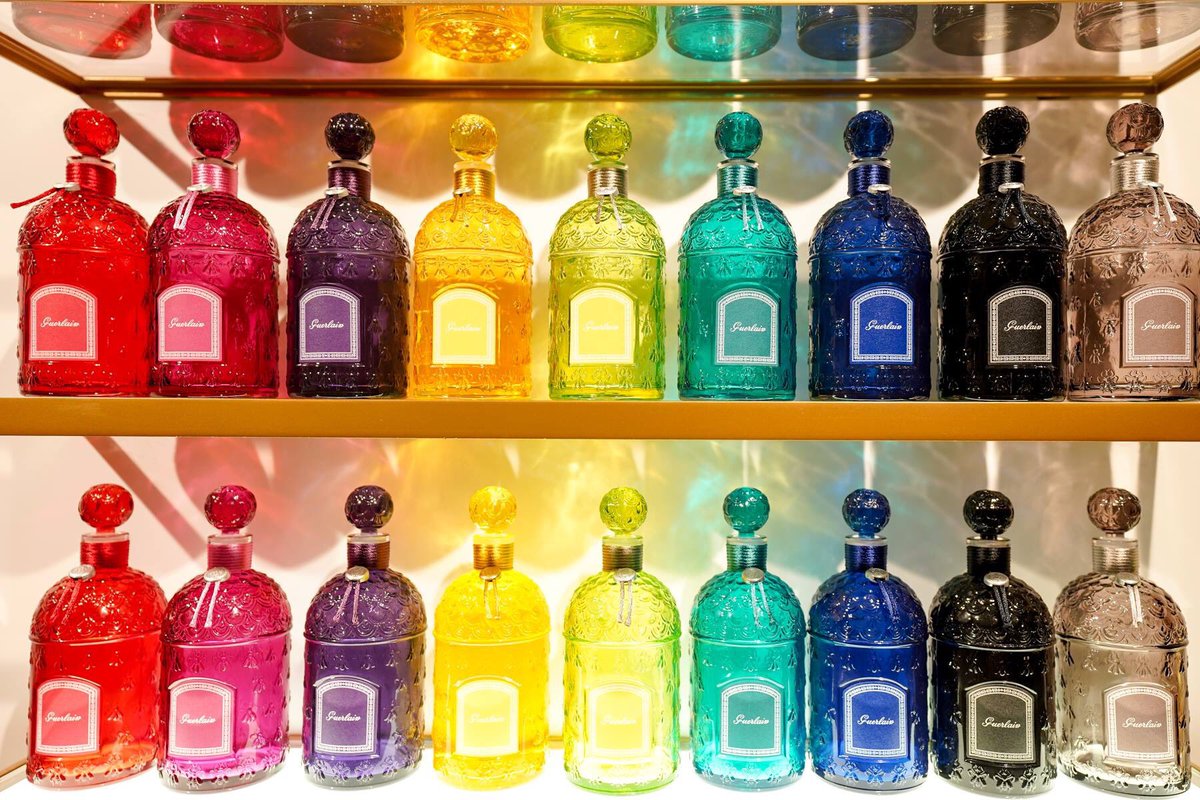
Try GUERLAIN Personalised Perfume for your Wedding Day You know that you can personalize perfume at your fingertips. You can design your personal fragrance, customize your bottle, or Read more
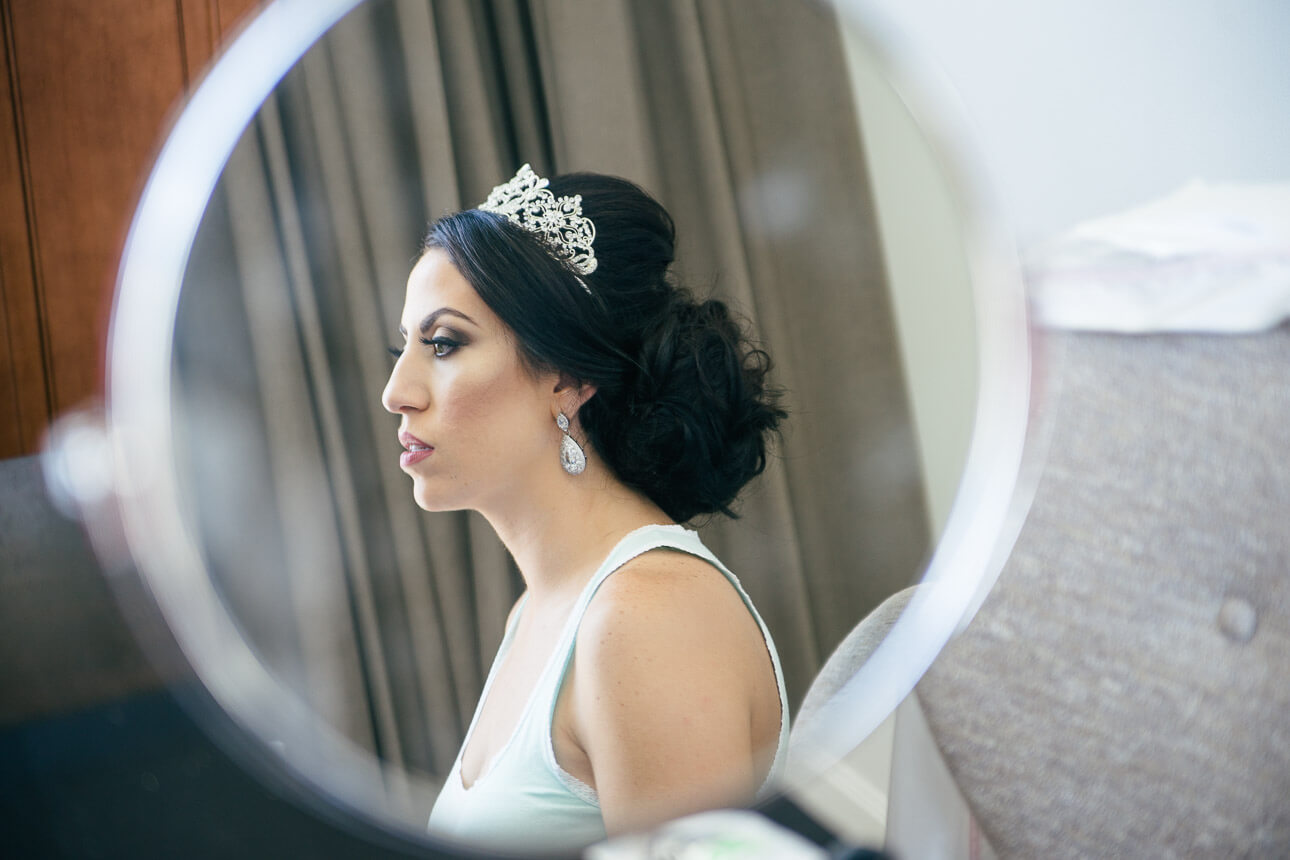
I know this article will be risky, but let me tell you: You can definitely do your own wedding makeup Read more

Writing your own vows for a symbolic ceremony? Use this calm guide to shape personal promises that feel intimate, clear, Read more
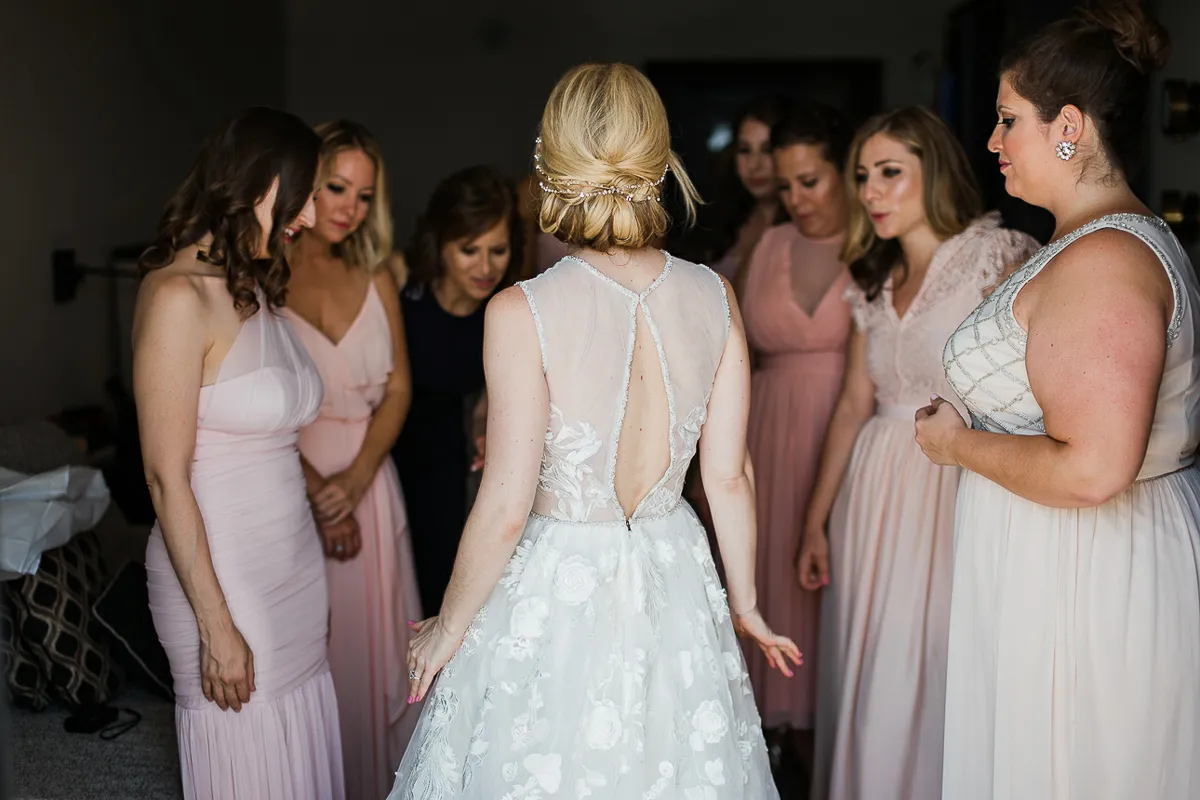
Why Wedding Coordination Is Essential (Even On A Budget) You’ve spent months planning every detail of your wedding—from the venue Read more

Wedding Weekends: How to Make Guests Feel Hosted, Not Scheduled